
The 9 Most Common Concerns of European and American B2B Buyers When Purchasing Slow Juicers — and Professional Ways to Address Them
In cross-border B2B trade, Slow Juicers (also known as masticating juicers or cold-press juicers) have become a core procurement category for juice bars, hotel foodservice operations, health-focused retail chains, and OEM brand owners in Europe and the United States. Compared with traditional centrifugal juicers, Slow Juicers are favored in the premium market for their higher juice yield, better nutrient retention, and lower noise levels. However, when European and American B2B buyers select a Slow Juicer supplier, price is far from the only consideration. They place much greater emphasis on compliance risks, quality consistency, supply-chain reliability, and long-term partnership value.As a B2B Slow Juicer supplier operating a WordPress independent website, we regularly serve wholesalers and brand owners from the United States, Germany, the United Kingdom, France, the Netherlands, and other markets. Based on real inquiry feedback, this article systematically outlines the nine most common concerns European and American buyers have when purchasing Slow Juicer products and provides professional response strategies. We hope this helps buyers evaluate suppliers more efficiently and assists peers in optimizing their independent-site content and conversion rates.
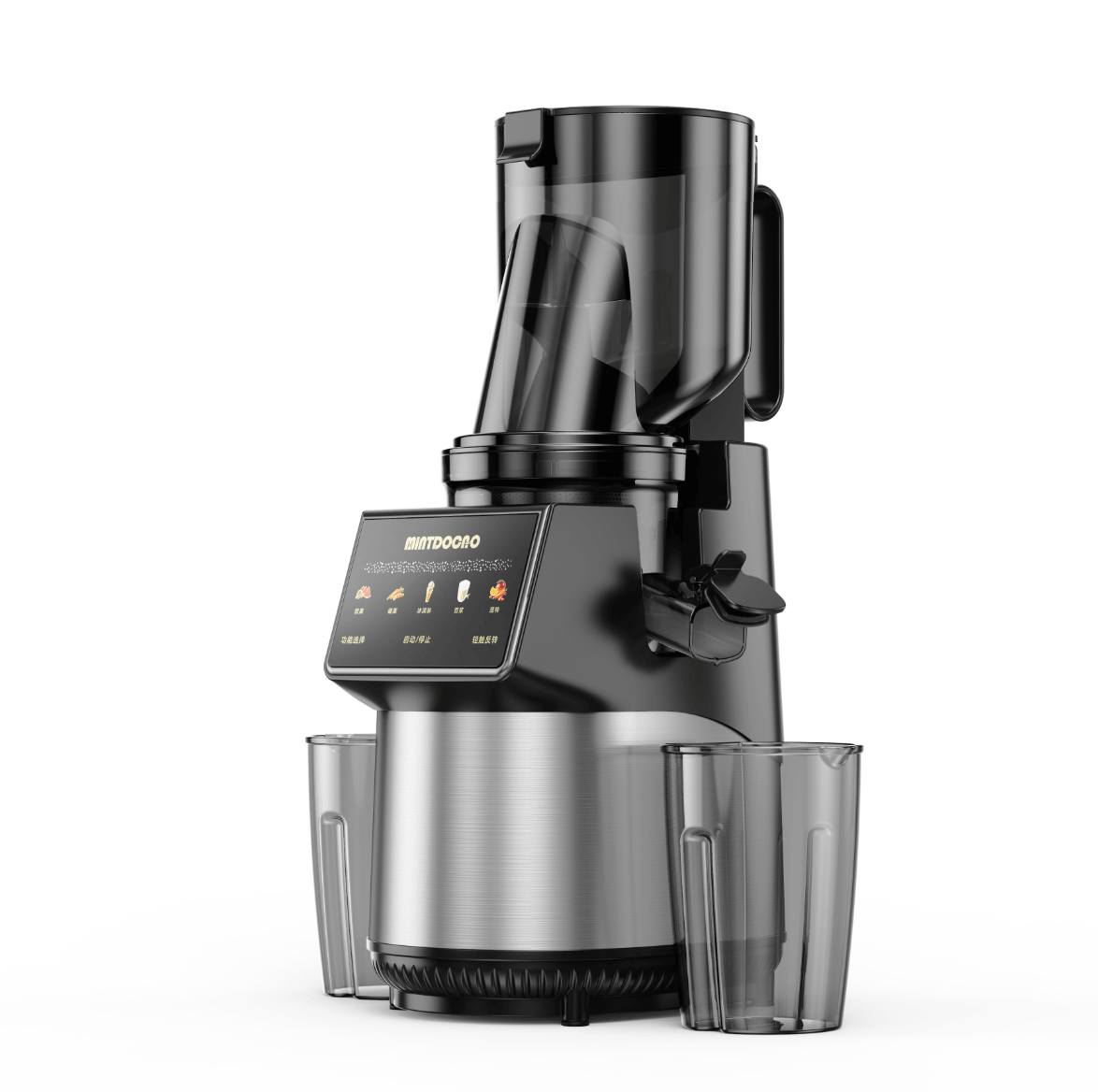
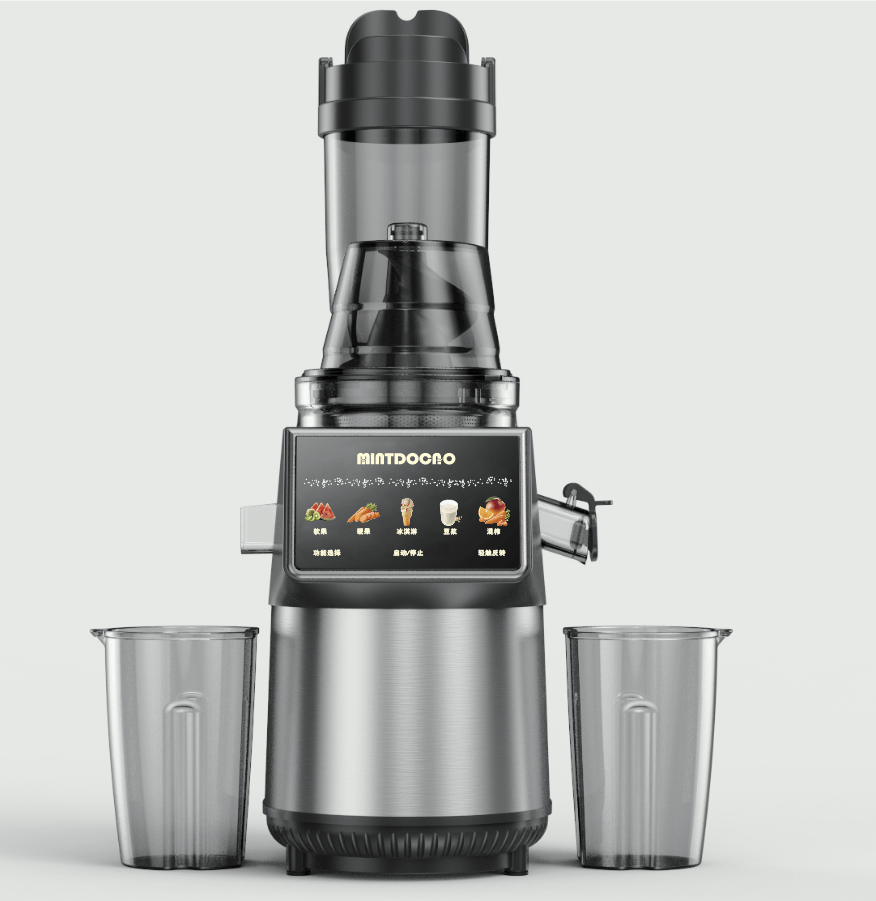
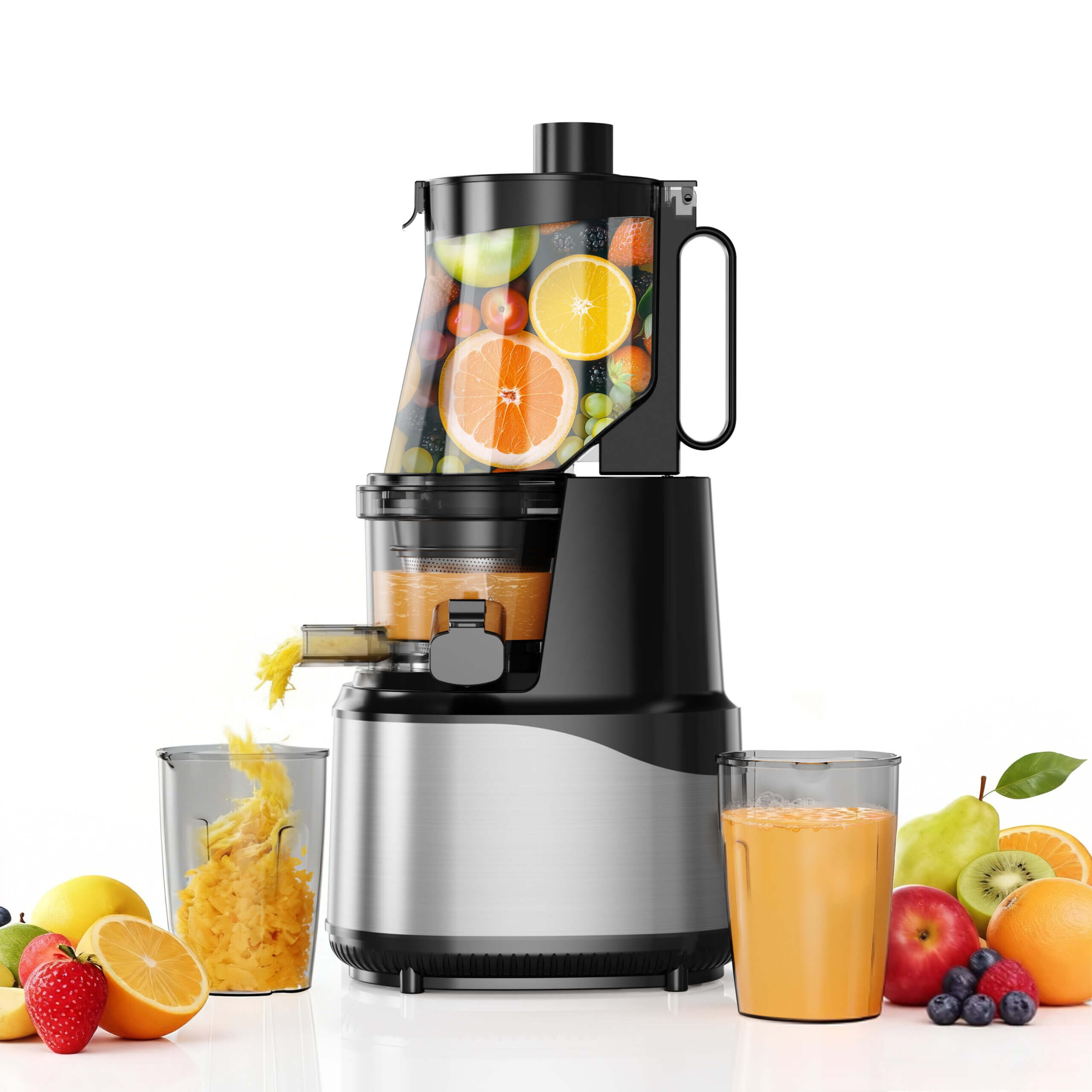
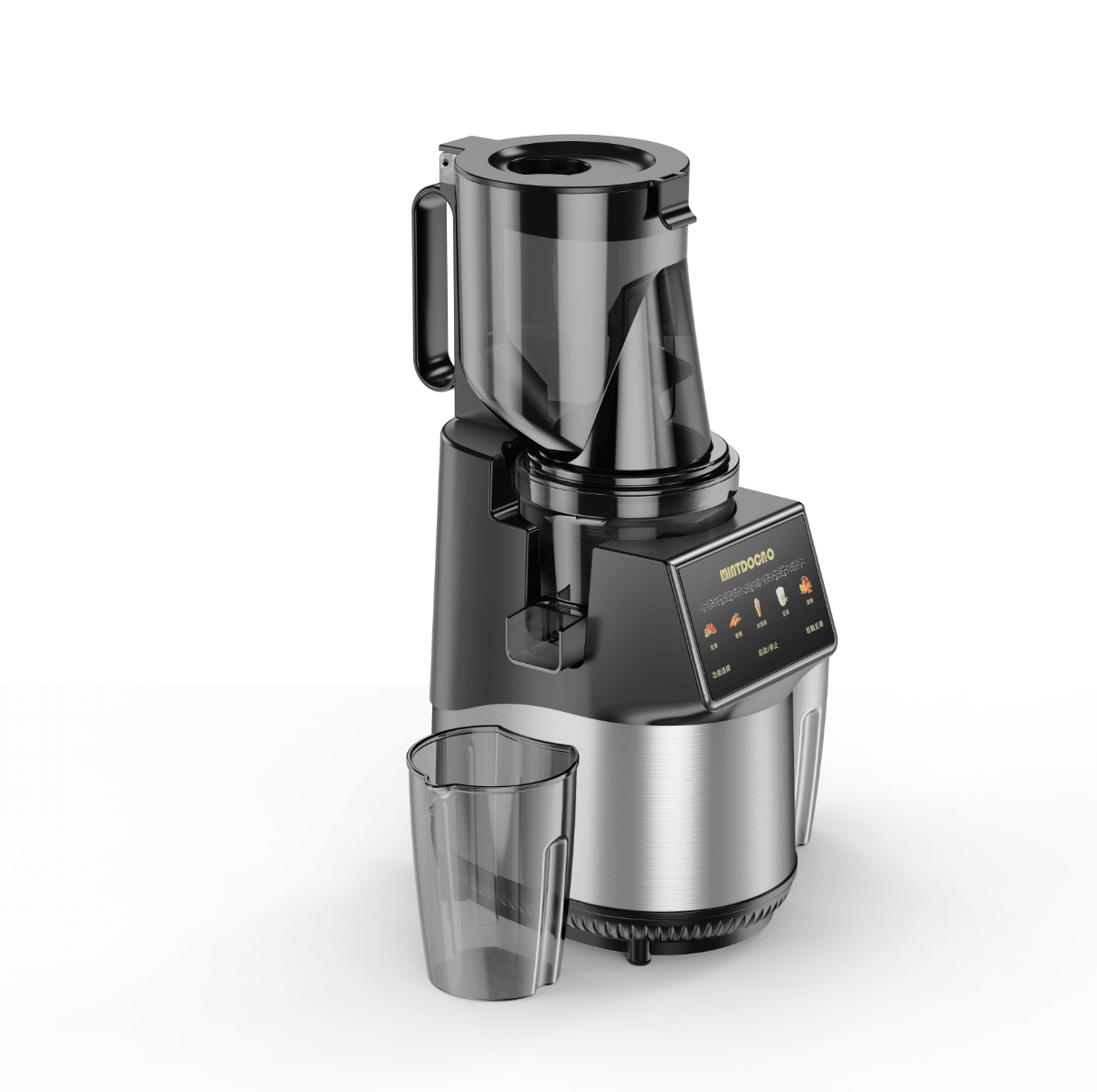
1. Product Compliance and Certification: The Core Entry Barrier for Slow Juicers in European and American Markets
When European and American B2B buyers source Slow Juicers, the first priority is confirming whether the product carries the mandatory certifications required by the target market. The European Union requires CE certification (covering the Low Voltage Directive and EMC), RoHS restrictions on hazardous substances, and REACH chemical compliance. In the United States, UL or ETL electrical safety certification is highly valued, while food-contact components must meet FDA standards. Some high-end customers also request NSF sanitary design certification.Buyers worry about fake certificates, expired reports, or incomplete technical documentation that could lead to customs clearance failures, product recalls, or legal risks. Voltage and plug compatibility (110V/60Hz for the US, 220-240V/50Hz for Europe) is also a key checkpoint. Professional Slow Juicer suppliers should clearly display valid certificates, Declarations of Conformity, and third-party test reports on their independent websites and proactively provide a complete compliance documentation package to significantly reduce buyers’ market-entry concerns.
2. Quality Consistency and Real-World Performance Stability
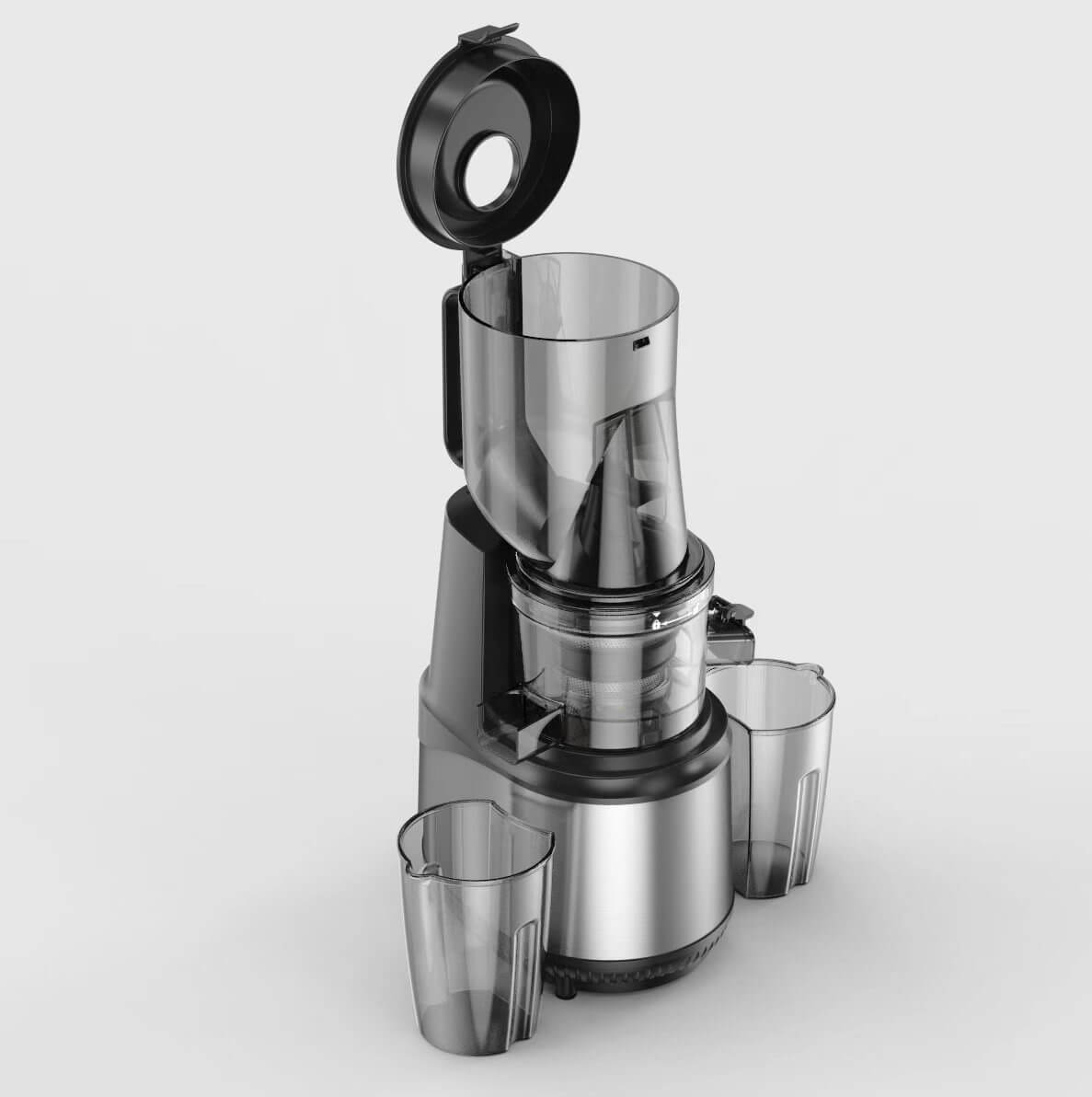
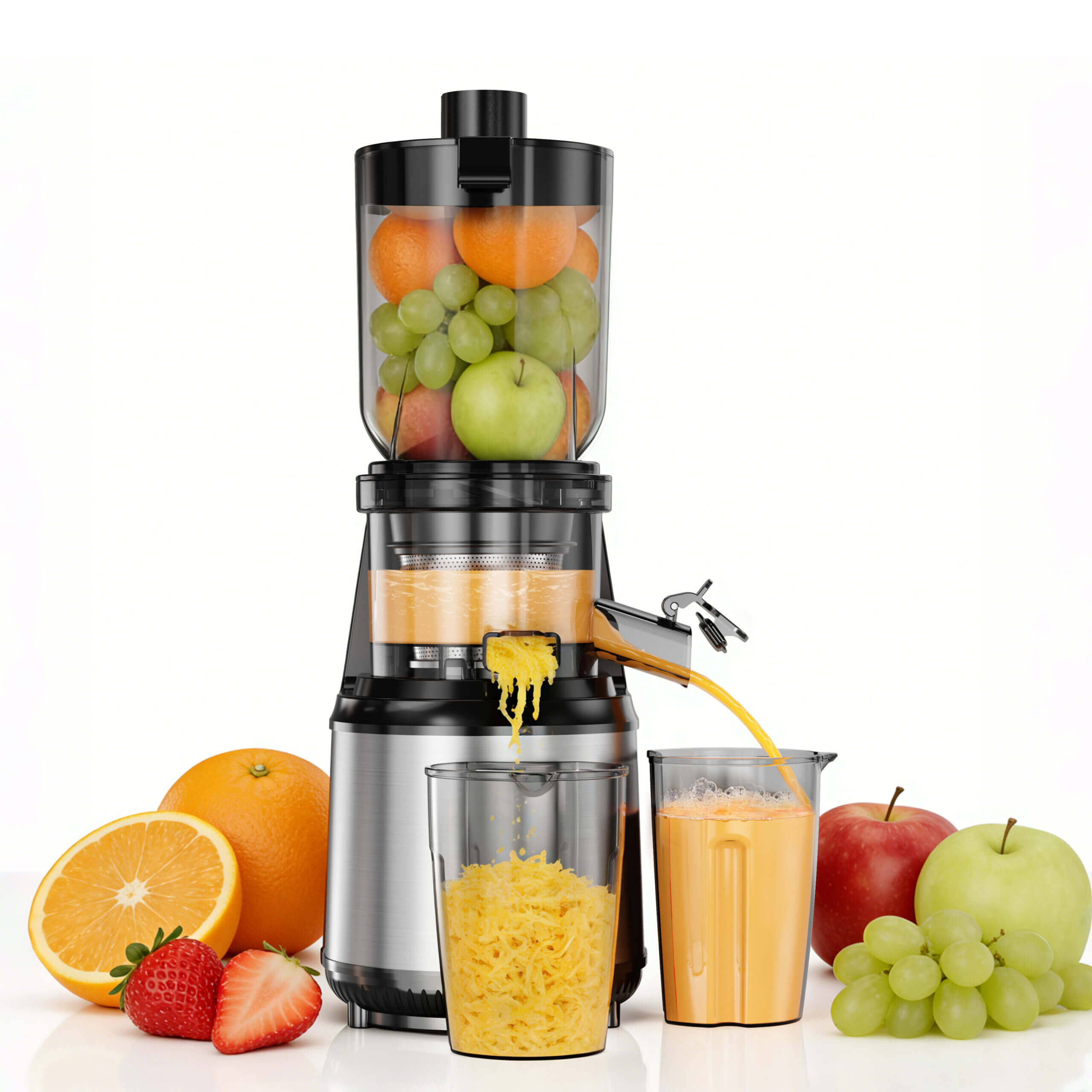
One of the biggest fears among European and American buyers is that a sample performs excellently while bulk production suffers from motor overheating, reduced juice yield, leaking seals, or abnormal noise. The core of a Slow Juicer lies in its low-speed, high-torque motor, precise auger and screen coordination, and the durability of food-grade materials. Customers typically request juice-yield data, noise test results, continuous-operation duration verification, and evidence of easy cleaning.They also examine batch quality-control capabilities: Does the supplier maintain robust IQC/IPQC/OQC processes? Can third-party inspections be accepted? Are materials genuinely 304 stainless steel and food-grade plastics? Listing key specifications in detail on an independent website and offering downloadable test reports effectively builds trust.
3. Supplier Credibility and Factory Authenticity Due Diligence
Independent websites lack the platform guarantees of marketplaces, so European and American buyers scrutinize supplier backgrounds carefully. They check factory videos or photos, business licenses, ISO system certificates, and prefer to see successful case studies with local European or American clients. European buyers often have longer decision cycles involving procurement, quality assurance, legal, and finance teams. Response speed, English proficiency, and completeness of documentation directly influence trust-building.Providing factory videos, audit invitations, and a clear company introduction page are critical trust signals for independent-site operators.
4. Price Transparency, MOQ Flexibility, and Payment Security
Price is not the sole factor; total cost of ownership is what buyers truly calculate. They compare overall costs under different Incoterms (FOB, CIF, DDP), check whether MOQ supports small trial orders, and evaluate payment security (installment T/T, letters of credit, etc.). Full prepayment carries high risk and is rejected by most professional buyers.Clearly listing tiered pricing, OEM surcharge rules, and offering flexible payment options significantly reduces negotiation friction.
5. Logistics Lead Times and Controllability of Trade Terms
Are promised lead times realistic? Is packaging sufficiently shock- and moisture-resistant? Which Incoterms best balance risk and cost? Are customs documents complete? These practical issues directly affect inventory planning and sales schedules. Delays or damage can harm the buyer’s own business.Professional suppliers should provide clear production-plus-logistics timelines, recommend suitable packaging solutions, and assist with complete customs documentation.
6. After-Sales Service, Warranty Policy, and Long-Term Spare-Parts Supply
Once machines are in use, replacement of consumables such as screens, seals, and augers becomes inevitable. European and American buyers worry most about unclear warranty coverage, unavailable spare parts, or slow technical support. Cross-border returns are costly, and poor after-sales experience quickly leads to end-customer dissatisfaction.Clearly defining a 1–2 year warranty, maintaining a spare-parts inventory list, and providing English operation manuals plus remote guidance are effective ways to improve customer satisfaction.
7. Customization and OEM/ODM Capability Plus Intellectual-Property Protection
Many European and American brand owners require private-label customization: logos, packaging, colors, multi-language manuals, or even structural modifications. At the same time, they worry about design copying or brand infringement. Whether a supplier truly possesses OEM/ODM capabilities and is willing to sign non-disclosure agreements is a key evaluation point.Showcasing past customization cases and providing a clear New Product Introduction (NPI) process helps win these high-value customers.
8. Sustainability and ESG Supply-Chain Compliance (Especially Important for European Buyers)
EU regulations such as the CSDDD push large companies to cascade human-rights, environmental, and labor standards requirements upstream. Buyers inquire about material recyclability, eco-friendly packaging design, and factory social-responsibility audits (BSCI, Sedex, etc.). Suppliers that fail to meet these requirements may be excluded from major retail or chain accounts even if their prices are competitive.Preparing ESG statements and audit reports in advance helps Slow Juicer suppliers gain a competitive edge in the European market.
9. Communication Efficiency, Documentation Completeness, and Long-Term Partnership Potential
European and American buyers prefer document-driven communication. Whether quotations, specification sheets, contract terms, and invoice formats are standardized directly affects internal approval efficiency. They prefer suppliers who demonstrate continuous improvement capability and a genuine willingness for long-term cooperation.An independent website that offers a comprehensive download center (spec sheets, certification files, operation videos, FAQs) and maintains professional, timely follow-up will significantly increase inquiry conversion rates.
Conclusion: Shift from “Selling Products” to “Helping Buyers Reduce Procurement Risks”
When European and American B2B buyers purchase Slow Juicers, what they are truly evaluating is whether the supplier can effectively reduce compliance risk, quality risk, supply-chain risk, and after-sales risk. Price is only one variable. For suppliers operating independent websites, the most effective strategy is to surface and address customer concerns transparently in advance: prominently display certifications, test reports, factory capabilities, spare-parts policies, and customization cases on the website; proactively provide complete documentation packages during the inquiry stage; and maintain professionalism and predictability throughout the transaction process.Only by genuinely thinking from the buyer’s perspective can a Slow Juicer supplier stand out from the competition and build sustainable B2B partnerships.If you are looking for a reliable Slow Juicer B2B wholesale supplier, please contact us through this website to receive the latest product specification sheets, complete certification documents, and customized quotation solutions. We look forward to partnering with professional European and American buyers to expand the healthy kitchen-appliance market together.