
Discover the key things European buyers must check when ordering small batches of commercial slow juicers from Chinese suppliers. Cover CE certification, food contact materials, quality control, logistics, and common pitfalls to avoid costly mistakes.
Importing Commercial Slow Juicers from China in Small Batches: A Complete Guide for European Buyers
Sourcing commercial slow juicers (also known as cold press or masticating juicers) from China can offer significant cost advantages for European businesses. However, small-batch orders come with unique challenges—especially around compliance, quality consistency, logistics, and supplier reliability.
This guide covers everything European importers, distributors, juice bars, hotels, and catering companies need to know before placing a small-batch order of commercial slow juicers from Chinese suppliers.
Why Small-Batch Orders from China Require Extra Caution
Large orders allow factories to absorb certification and setup costs more easily. Small batches (typically 5–50 units) often face:
- Higher unit prices
- Stricter scrutiny on compliance documents
- Greater risk of quality variation
- More complex logistics (LCL or air freight)
European market surveillance is strict. As the importer, you are legally responsible for product compliance—even if the Chinese factory claims the juicer is “CE certified.”
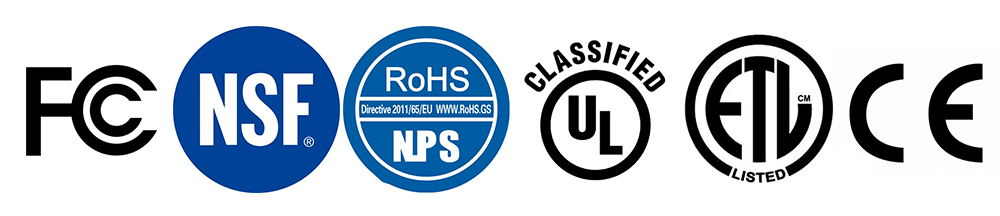
1. Mandatory EU Compliance Requirements
This is the most critical area. Non-compliant products can be seized at customs, banned from sale, or lead to expensive recalls.
CE Marking
Commercial slow juicers must carry a valid CE mark supported by:
- Low Voltage Directive (LVD)
- Electromagnetic Compatibility (EMC) Directive
- Machinery Directive (2006/42/EC) – note the transition to Regulation (EU) 2023/1230 from 20 January 2027
Request the full Declaration of Conformity (DoC) and technical file. Prefer test reports from accredited laboratories referencing relevant EN standards (commonly EN 60335 series).
Food Contact Materials (FCM)
All parts that touch juice or pulp must comply with:
- Regulation (EC) No 1935/2004
- Regulation (EU) No 10/2011 (for plastics)
Demand a Declaration of Compliance covering screws, filters, juice containers, and seals. Prefer 304 or 316 stainless steel. Avoid vague “food-grade” claims without documentation.
Other Requirements
- RoHS (Restriction of Hazardous Substances)
- REACH (SVHC notification if applicable)
- Correct voltage: 230V / 50Hz
- Proper European plugs and labeling (including “Made in China” and WEEE symbol where required)
Pro tip: Many Chinese factories provide self-declared or incomplete CE documents. Always verify certificates and consider independent sample testing in Europe.
2. Selecting the Right Chinese Supplier
Not all factories that sell “commercial” juicers are suitable for the European market.
Key checks:
- Proven export experience to the EU (ask for past shipment references)
- Ability to provide complete technical documentation
- Willingness to accept small MOQs or reasonable surcharges
- In-house testing capability or relationships with accredited labs
- Transparent communication in English
Avoid choosing solely on the lowest price. The cheapest quotes frequently cut corners on motors, materials, or certifications.Consider using a third-party factory audit or working with a reliable sourcing agent experienced in kitchen equipment.
3. Quality Control for Small Batches
Quality consistency is harder to maintain in small production runs.
Recommended process:
- Order and thoroughly test samples (performance, noise, continuous operation, ease of cleaning, temperature rise).
- Agree on detailed product specifications in writing (motor type, materials, noise limits, dimensions, etc.).
- Conduct a Pre-Shipment Inspection (PSI) by a reputable third party (SGS, Bureau Veritas, Intertek, or similar).
- Check packaging quality—commercial machines need strong protection against vibration and moisture during long transit.
Pay special attention to:
- Motor durability and cooling
- Easy disassembly for cleaning
- Hygienic design (smooth surfaces, minimal dead corners)
4. Logistics and Shipping Considerations
Small batches are usually shipped by:
Air freight or express courier (faster, more expensive)
Sea freight LCL (Less than Container Load)
Incoterms advice:
- FOB or CIF are generally safer for first orders (you control customs clearance).
- Use DDP only if the supplier has proven EU import experience.
Ensure packaging is robust and all shipping documents (commercial invoice, packing list, bill of lading, certificates) match the goods exactly. Incorrect HS codes or missing compliance documents are common causes of delays.Typical HS codes fall under 8509.40 or, for more industrial models, chapter 84. Always confirm the correct classification with your customs broker.
5. Payment Terms, Contracts, and After-Sales
Payment:
Standard terms are often 30% deposit and 70% before shipment. For higher-value or first-time orders, consider using secure methods such as Letters of Credit or escrow services where possible.
Contract essentials:
- Exact technical specifications
- List of required certificates and documents
- Delivery timeline
- Warranty period (aim for at least 12 months)
- Spare parts availability and pricing (filters, seals, augers)
- Inspection rights and rejection procedures
- Intellectual property warranty
After-sales support can be challenging with Chinese suppliers. Clarify spare parts lead times and shipping costs in advance. Stocking critical wear parts in Europe is often wise.
6. Cost Calculation – Look Beyond the Unit Price
Your true landed cost includes:
- Unit price
- Certification and testing fees
- International freight and insurance
- Import duties (usually low for these products)
- VAT (recoverable for businesses in most cases)
- Customs clearance and handling fees
- Inspection and potential rework costs
Small batches almost always carry a higher per-unit cost. Negotiate volume tiers or shared certification costs when possible.
Common Pitfalls to Avoid
- Accepting CE marks without supporting technical documentation
- Skipping sample testing and pre-shipment inspection
- Vague product specifications
- Choosing the cheapest supplier without due diligence
- Ignoring voltage, plug type, and labeling requirements
- Underestimating the importance of food contact material declarations
- Failing to plan for spare parts supply
Step-by-Step Checklist for European Buyers
- Define your exact technical and compliance requirements.
- Shortlist suppliers with EU export experience.
- Request and verify full compliance documentation.
- Order and test samples thoroughly.
- Negotiate clear contract terms and payment schedule.
- Arrange third-party pre-shipment inspection.
- Confirm all shipping and customs documents.
- Plan for local spare parts and after-sales support.
- Calculate full landed cost before confirming the order.
Final Thoughts
Sourcing commercial slow juicers from China in small batches is perfectly feasible and can be cost-effective—provided you treat compliance and quality control as non-negotiable. The European market rewards reliable, fully documented equipment and punishes shortcuts severely.
By following the steps in this guide, European buyers can significantly reduce risks of customs delays, product seizures, or customer complaints while still benefiting from competitive Chinese manufacturing.
Need help verifying a specific supplier or reviewing compliance documents? Consider consulting a specialist in EU product compliance or an experienced China sourcing partner focused on commercial kitchen equipment.