
Commercial high-speed blenders (also known as commercial wall-breaking blenders or professional blenders) are core equipment for restaurants, beverage shops, food processing, and similar settings. China is a major global production and export base for these products. Their supply chains, delivery lead times, and procurement costs are directly influenced by China-US and Europe-related trade relations. This article analyzes the practical impacts based on the latest policy developments in 2026 to help buyers optimize their decisions.
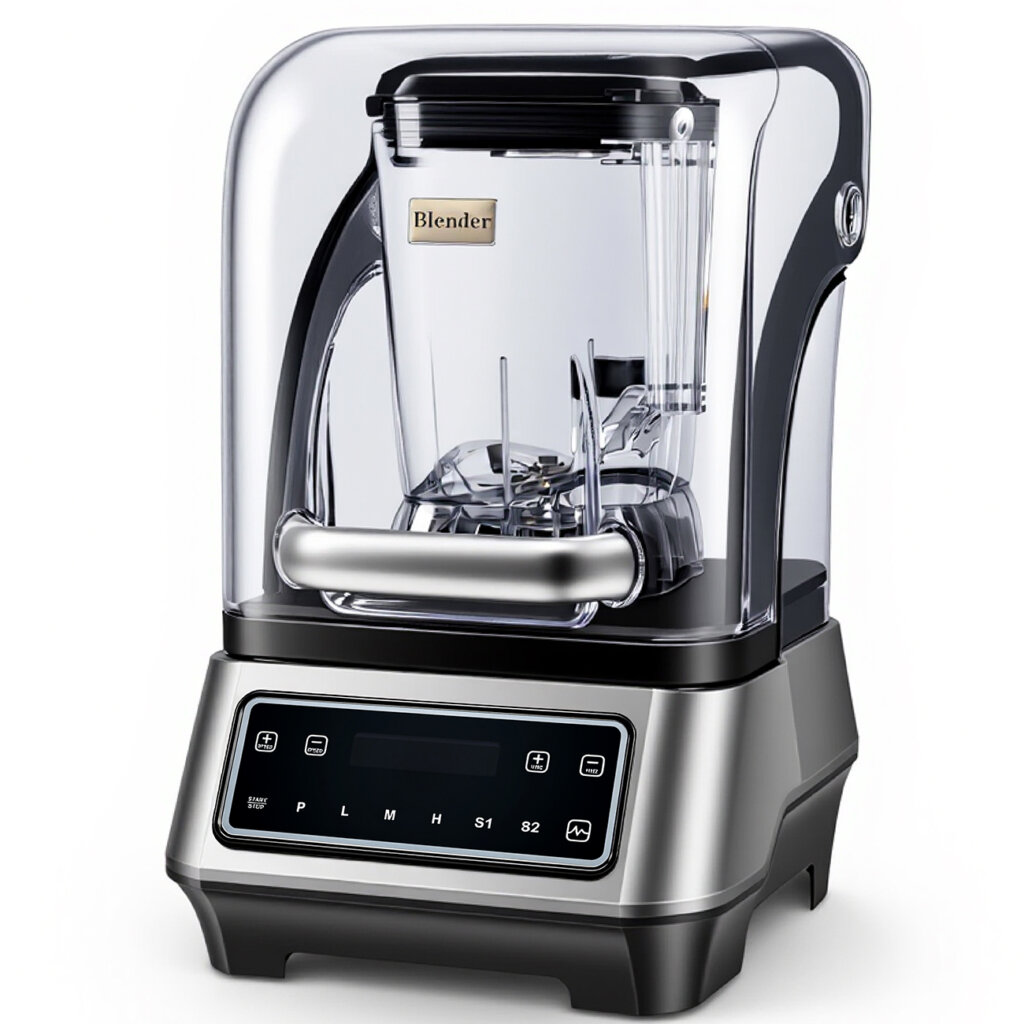
Core Impacts of China-US Trade Relations on Commercial High-Speed Blenders
In September 2026, China and the US reached a reciprocal “$30 billion for $30 billion” tariff reduction consensus under the Board of Trade framework. The US list covers consumer goods including toys, appliances, and baby products, and explicitly includes the 8509 series of electromechanical domestic appliances such as food grinders, processors, mixers, and fruit/vegetable juice extractors (highly relevant to most commercial or commercial-grade high-speed blenders). More than 90% of the covered products are expected to have previously imposed Section 301 additional tariffs (typically 7.5%–25%) eliminated and return to most-favored-nation (MFN) treatment.
Current status (as of October 2026): The lists are recommendations from both sides and have not yet officially taken effect. Implementation requires completion of respective domestic legal procedures, after which the cuts will be applied simultaneously. The existing trade truce has been extended to January 10, 2027, providing a degree of policy stability.
Impact on procurement costs:
Taking HS 8509.40 as an example, the current effective duty rate on Chinese-origin goods is around 16.7% (MFN 4.2% + additional duties). If the tariff reductions are implemented, the combined rate could fall to approximately 4.2%, significantly lowering landed costs for US importers (some categories previously faced combined rates of 15%–20%, potentially dropping to the 0%–5% range). This directly reduces costs and can improve price competitiveness or profit margins. True industrial/commercial food-preparation machinery may fall under HS 8438 and face different (potentially higher) Section 301 treatment, so buyers should confirm the specific HS classification and whether the product is covered by the list.
Impact on the supply chain:
The policy is favorable for Chinese manufacturers that have not yet extensively relocated production. Previous high tariffs had pushed some capacity to Vietnam, Mexico, and other locations; some orders may now return to China. Supply-chain stability improves in the near term, but a longer-term “China + N” diversification strategy remains advisable to hedge against possible future policy shifts.
Impact on lead times (delivery schedules):
Current ocean freight lead times are relatively stable (roughly 20–35 days from China to the US West Coast; longer to the East Coast). Periods of tariff uncertainty previously led to front-loading of shipments and resulting port congestion. The truce and potential tariff cuts reduce the risk of sudden inspections and clearance delays, improving predictability of lead times. However, until formal implementation, buyers should build in buffer time.
Related Impacts of Europe-Related Trade Relations
The EU’s MFN duty rate on products under 8509.40 originating in China is approximately 2.2%—relatively low—and there have been no large-scale additional tariffs comparable to the US Section 301 measures on these appliances. In October 2026, the EU and China reached preliminary understandings on hybrid-vehicle export quotas, facilitation of rare-earth licensing, and tariff reductions on certain EU products, but these did not involve major adjustments for home or commercial appliances. US-EU trade relations primarily affect transatlantic supply chains and have limited direct impact on sourcing commercial high-speed blenders from China.
For European buyers, tariff cost sensitivity is lower. The main considerations are product certification (e.g., CE marking), logistics, and exchange rates. Easing of China-US tensions can produce positive spillover effects by reducing global supply-chain volatility, which benefits European procurement stability as well.
Comparative Summary and Procurement Recommendations
| Dimension | US Market (Driven by China-US Relations) | European Market (EU-China / US-EU Relations) |
|---|---|---|
| Procurement Cost | Potential significant reduction (large tariff-cut upside) | Relatively stable (low base duty rates) |
| Supply Chain | Near-term benefit to Chinese capacity; long-term diversification still needed | More stable; less directly affected |
| Lead Times | Improvement expected after policy clarity; watch clearance and ports | Conventional ocean shipping; lower geopolitical impact |
Procurement recommendations:
- Confirm the specific HS code for the model in question (8509 vs. 8438) and assess eligibility for China-US tariff reductions.
- US buyers should monitor the implementation timeline, lock in current quotations where possible, or negotiate price-adjustment mechanisms.
- Prioritize Chinese suppliers with proven export experience and relevant certifications (UL, CE, etc.), while maintaining multi-origin backup options.
- Track ocean freight rates, the USD/CNY exchange rate, and developments from any follow-up summits in November–December.
Procurement of commercial high-speed blenders has entered a policy window. The China-US reciprocal tariff-reduction framework offers a clear expected cost benefit for relevant categories, while European markets provide a relatively stable complementary channel. By combining the latest policy developments with supplier capabilities, buyers can achieve a better balance of cost, lead time, and supply-chain resilience. Continuously monitoring official lists and implementation notices is key to optimizing procurement strategies for 2026–2027.