
Core Concerns of Australian Distributors & Wholesalers When Choosing a Slow Juicer Supplier – And How We Solve Them (2026 Edition)
——As a B2B manufacturer specialising in kitchen appliances and slow juicers, here’s how we help you reduce risk, achieve compliance, and grow profitsAs a dedicated B2B manufacturer of kitchen appliances, we deeply understand the caution Australian distributors and wholesalers exercise when sourcing Slow Juicers (cold-press / masticating juicers). The Australian market has strict requirements for electrical safety, food-contact materials and local support. Combined with long supply distances and heavy compliance responsibility, even small oversights can lead to customs issues, sales bans or significant fines. This article addresses the real concerns of Australian wholesalers and provides practical solutions to help you select products efficiently and build long-term partnerships.
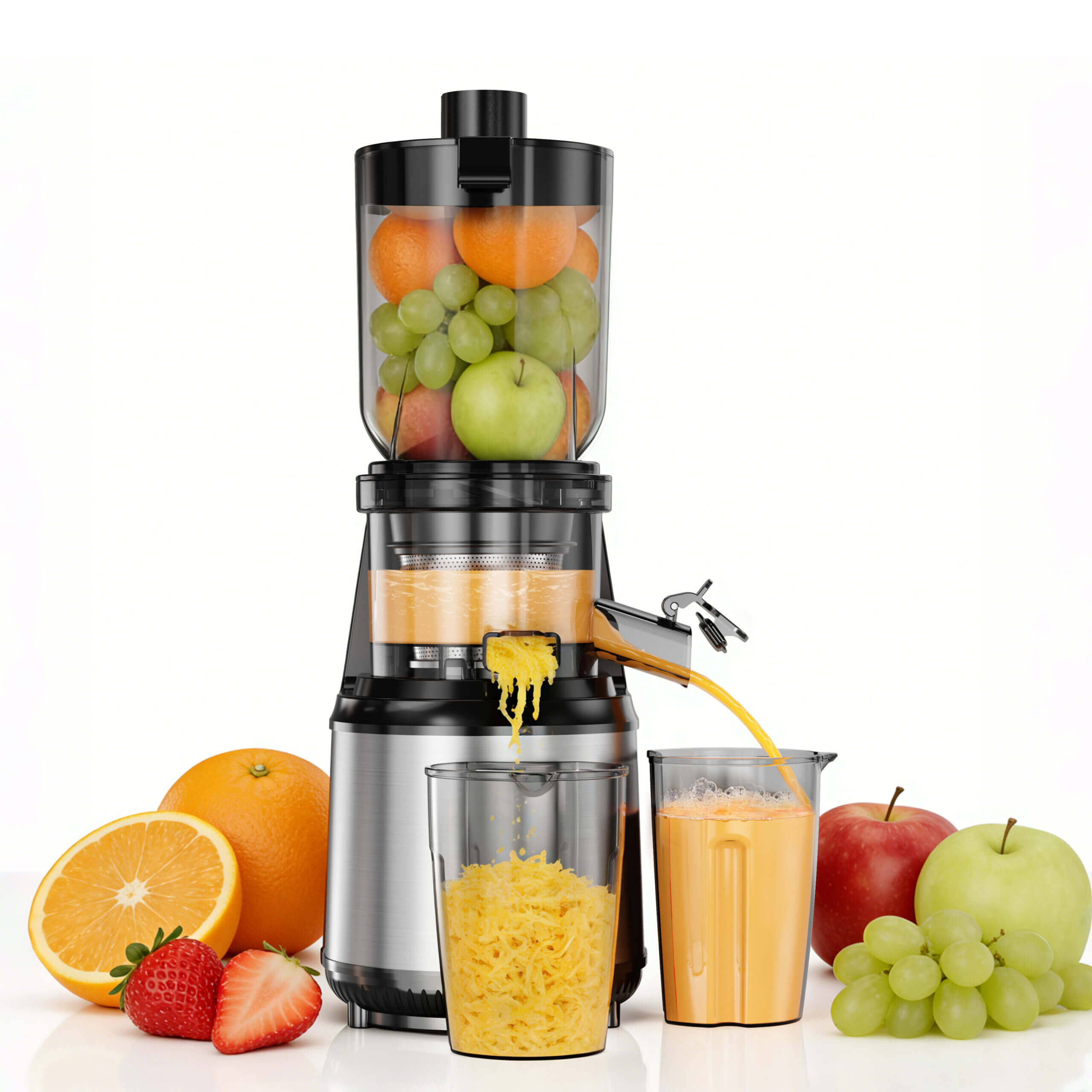
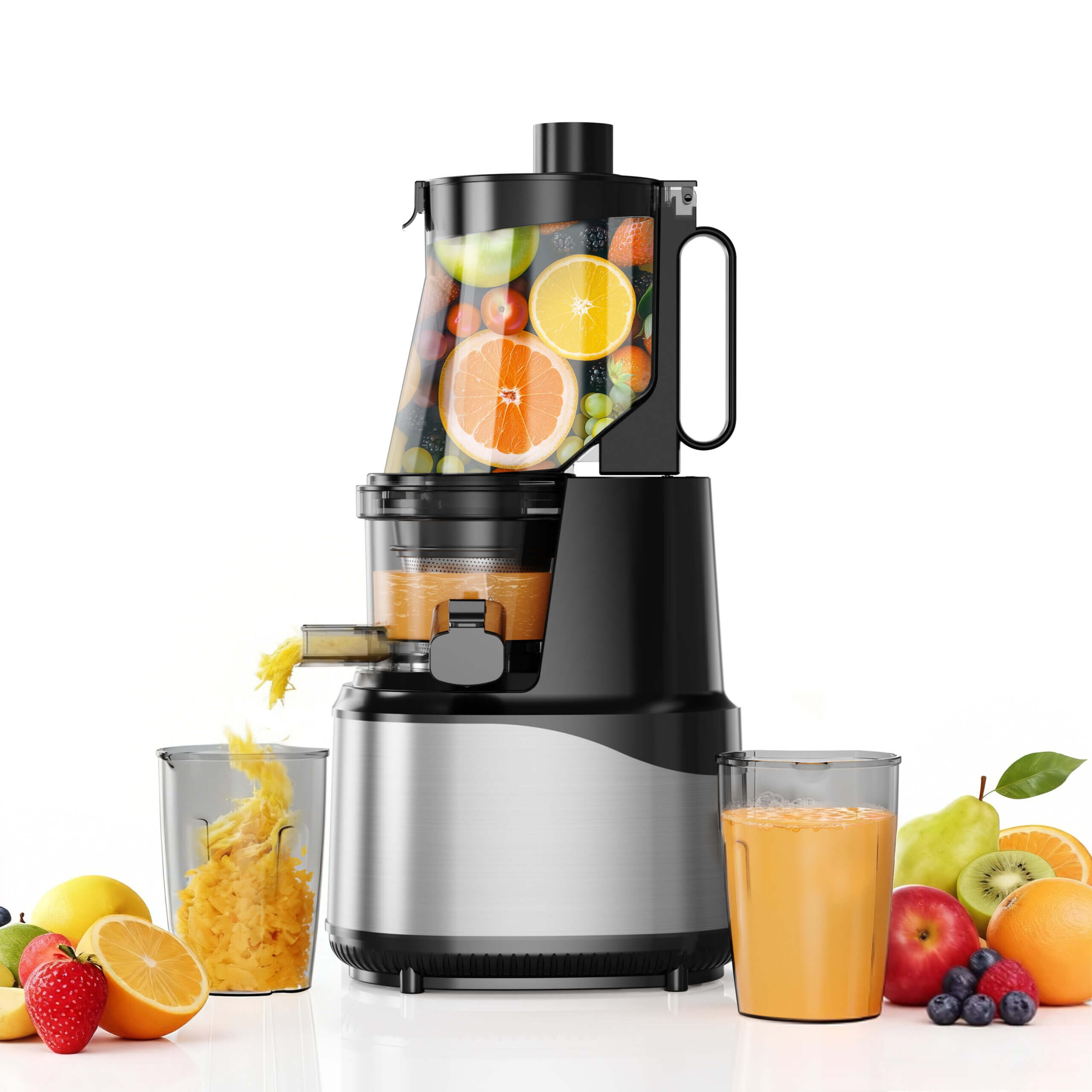
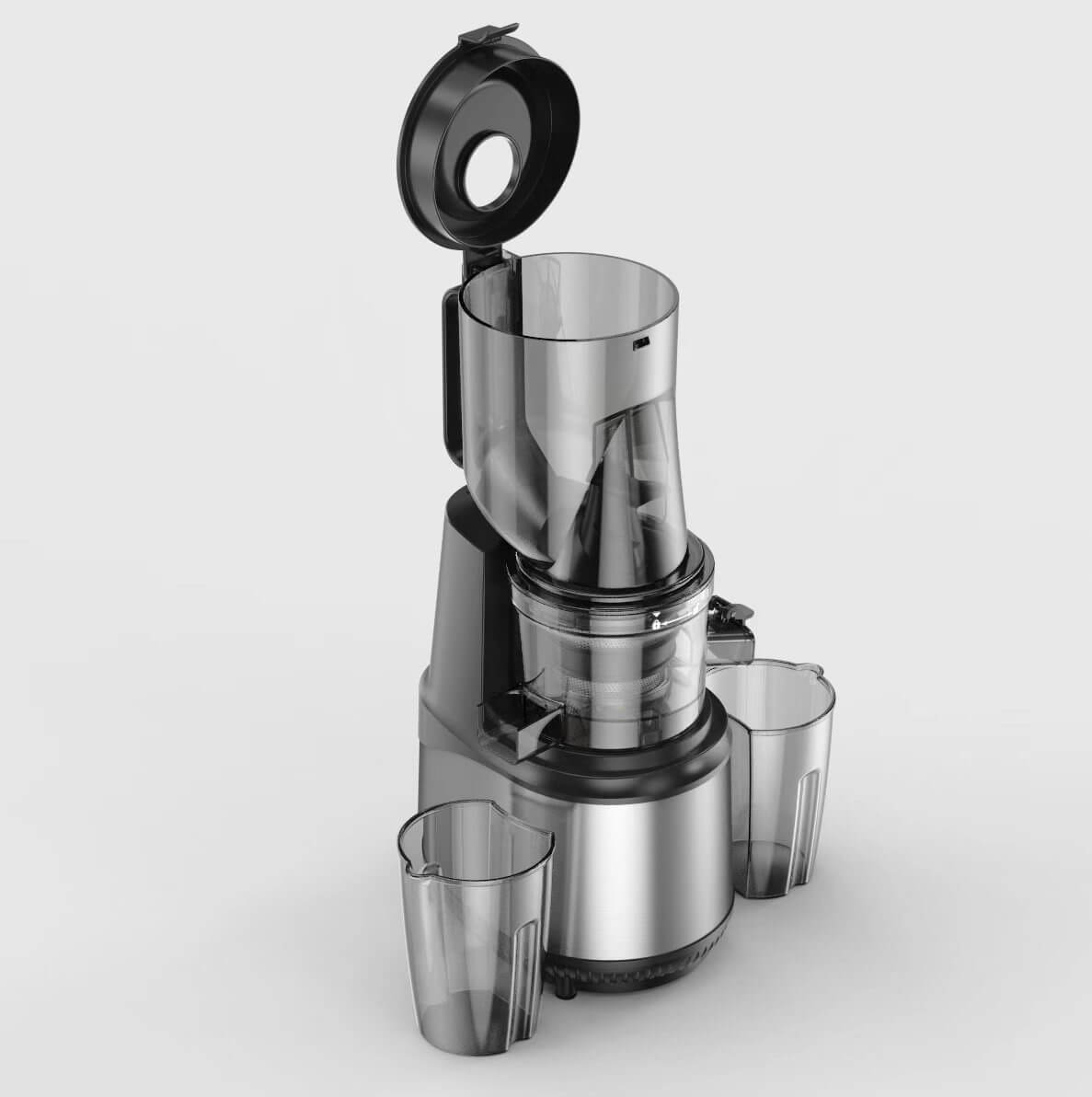
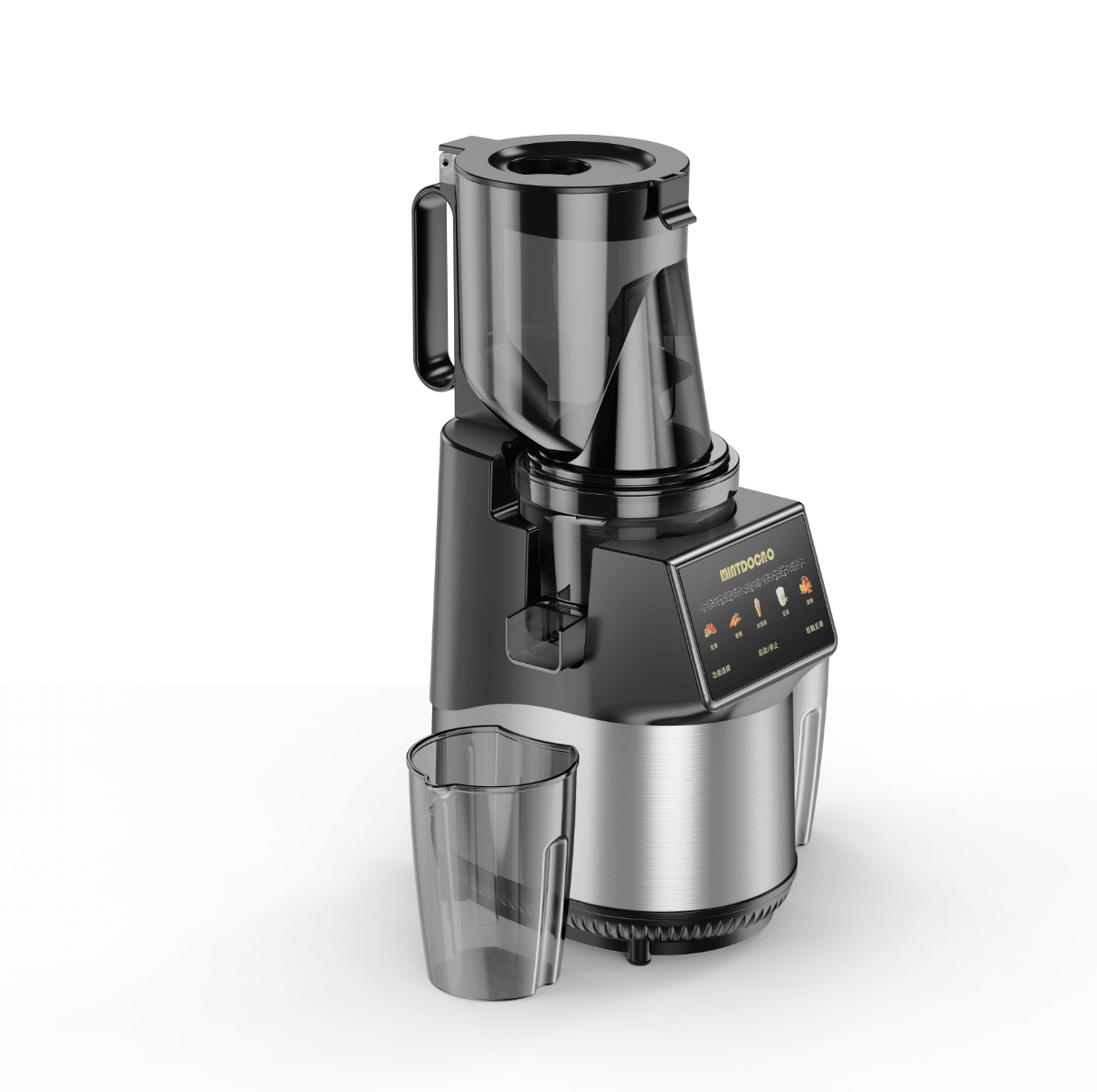
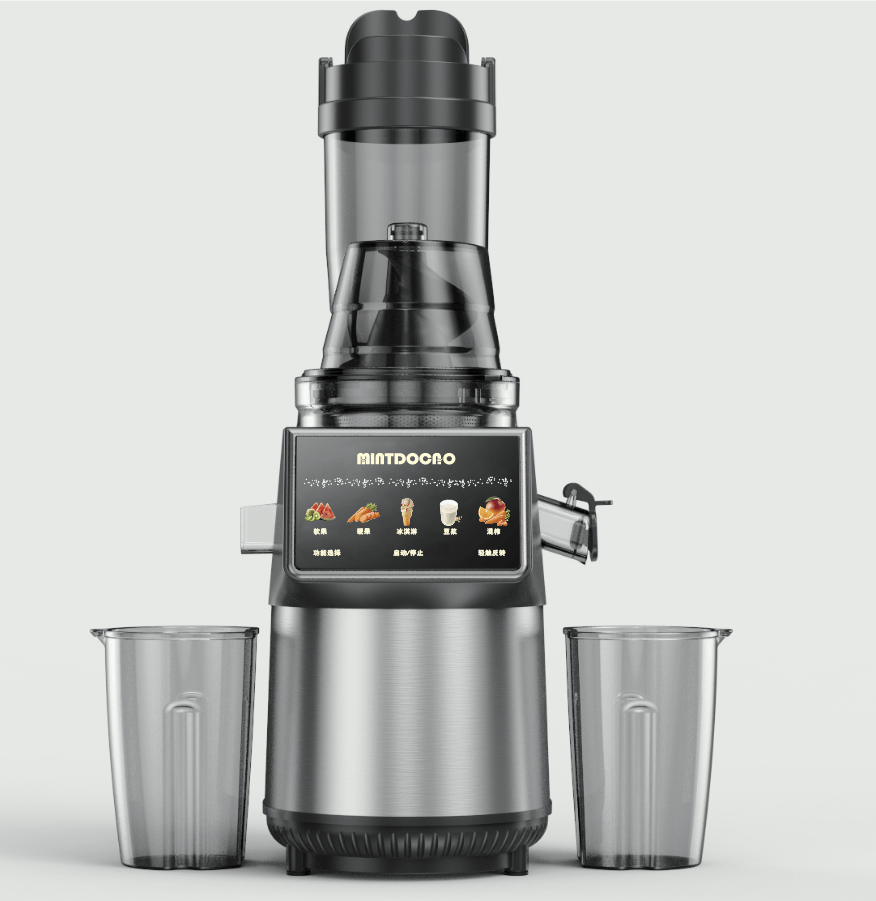
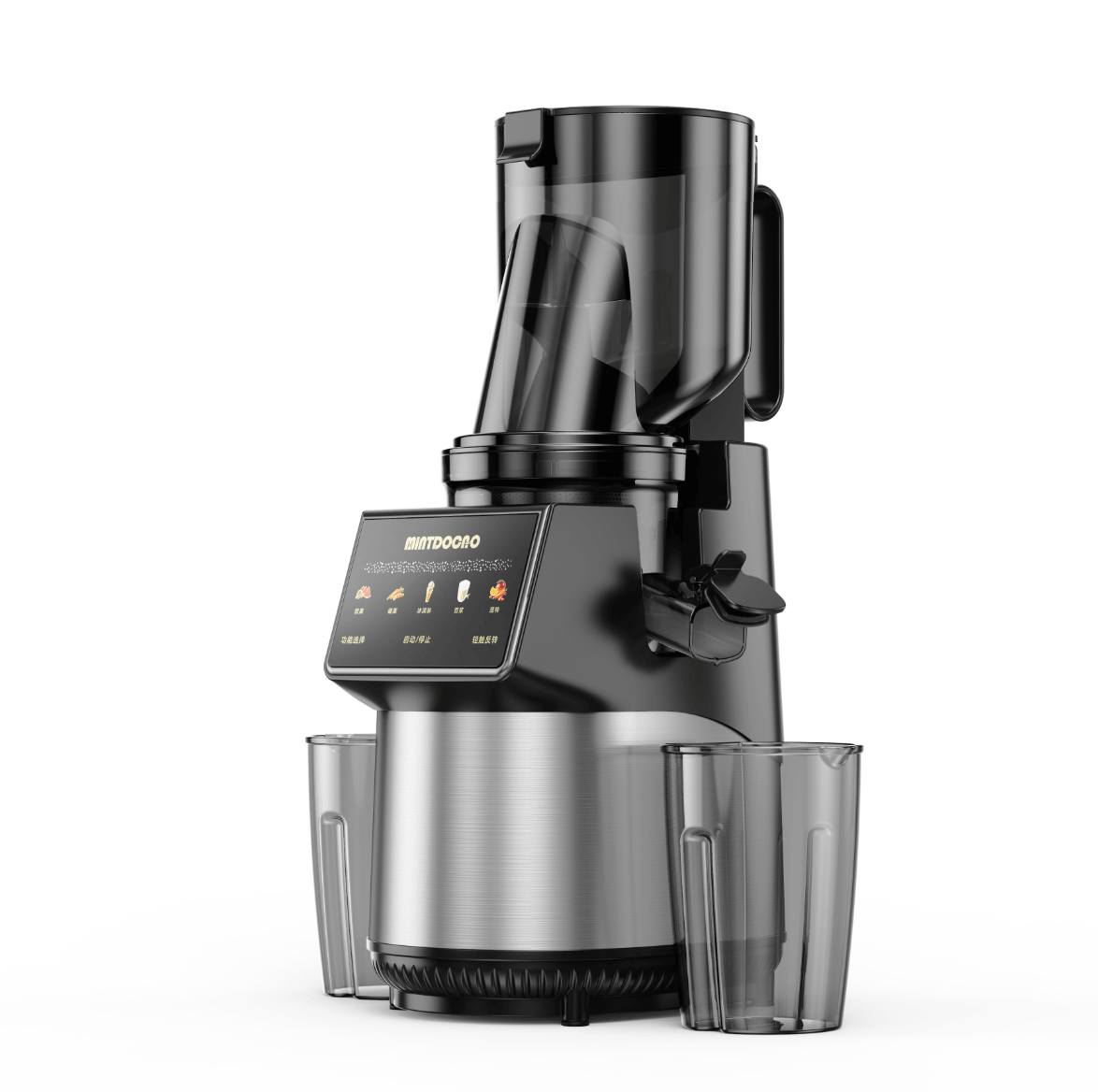
Market Opportunity for Cold-Pressed Juice and Slow Juicers in Australia
Australian consumers continue to prioritise health and nutrient retention in beverages. The cold-pressed juice market is showing solid growth, with projected CAGR in the 7–9%+ range in coming years, driven by rising health awareness, organic trends and expansion of juice bars and cafés. Retail channels — including Harvey Norman, JB Hi-Fi, independent appliance stores and e-commerce — are increasing demand for high-quality slow juicers, especially models that are easy to clean, high-yielding and quiet.For distributors and wholesalers this represents attractive margin potential, provided the products fully meet local regulations and are backed by a reliable supply chain.
Core Concern #1: RCM and Electrical Safety Compliance – “Without RCM it cannot be legally sold”
This is the most critical and non-negotiable concern for Australian wholesalers. All mains-powered electrical equipment must comply with the Electrical Equipment Safety System (EESS) and carry the Regulatory Compliance Mark (RCM). Juicers fall under kitchen machines and must meet AS/NZS 60335.1 + AS/NZS 60335.2.14 (safety standards for kitchen machines).Key requirements include:
- Electrical safety testing (insulation, dielectric strength, temperature rise, mechanical protection, etc.)
- Electromagnetic compatibility (EMC)
- Product registration on the EESS database (most kitchen appliances require registration according to risk level)
- Registration of an Australian Responsible Supplier who assumes legal responsibility
- Correct Australian plug (AS/NZS 3112) and voltage suitability (230–240 V / 50 Hz)
- Products are pre-tested to AS/NZS 60335.2.14 standards with full test reports from NATA/ILAC-accredited laboratories.
- We assist Australian partners with EESS registration and correct application of the RCM.
- Units ship with Australian plugs and correct voltage specification as standard.
- Complete technical documentation packages (circuit diagrams, BOM, risk assessments, etc.) are provided to speed up your local compliance process.
Core Concern #2: Food-Contact Materials and Food Safety – “Non-compliant materials can trigger complaints or inspections”
Food-contact materials in Australia are regulated by FSANZ. Parts that contact juice must be food-grade, non-toxic and easy to clean, meeting relevant standards (including references such as AS 2070). Wholesalers worry about BPA, harmful substance migration, or failure of hygiene inspections in commercial settings.Our Solutions:
- All food-contact parts use BPA-free, food-grade materials (preference for 304 stainless steel or high-quality Tritan).
- Material safety declarations and supporting test data are available.
- Designs prioritise easy disassembly and cleaning to meet Australian food business hygiene expectations (especially important for juice-bar customers).
Core Concern #3: Product Quality Consistency, Durability and Local After-Sales Support – “Long-distance repair costs are too high”
Australia is geographically distant from Asian suppliers, making returns and repairs slow and expensive. Wholesalers fear batch inconsistency, short motor life or slow spare-parts supply that leads to complaints from retailers and end customers.Key pain points include juice yield, continuous-duty capability, noise levels, ease of cleaning and reliable warranty fulfilment.Our Solutions:
- High-torque motors designed for extended commercial operation with low-noise performance.
- Strict quality-control processes to ensure samples match mass production, supported by durability test data.
- Clear warranty terms (tiered coverage for motor and complete unit) plus a fast spare-parts supply mechanism.
- Support for establishing local service partnerships or providing remote technical guidance together with detailed English manuals.
- Full OEM/ODM capability: Australian voltage specification, private labelling, packaging and colour customisation to help you create differentiated product lines.
Core Concern #4: Supply-Chain Stability, Lead Times and Inventory Risk – “Ocean freight delays + local stock pressure”
Long ocean-freight cycles, fluctuating freight and tariff costs, and high MOQs all increase inventory capital pressure. Major retailers generally prefer suppliers who can support local stock holding.Our Solutions:
- Stable production capacity with realistic lead-time commitments and support for small trial orders.
- Transparent logistics tracking with both sea and air options available.
- Assistance with safety-stock planning or connections to Australian logistics partners.
- Flexible MOQs and tiered pricing to help you manage cash flow.
Core Concern #5: Total Cost of Ownership, Margin and Partner Credibility
Low unit price alone is no longer sufficient. Australian wholesalers focus on long-term value: certification costs, after-sales costs, return rates, brand reputation protection, and whether the supplier genuinely understands the Australian market.Our Solutions:
- TCO analysis that demonstrates how higher juice yield can reduce downstream customers’ ingredient costs.
- Transparent quotations that include the value of compliance support.
- Verifiable company background with factory audit reports and previous export case studies.
- Professional English-speaking team offering rapid response to quotations and technical queries.
Australian Purchasing Action Checklist
- Confirm RCM/EESS compliance documents and AS/NZS 60335.2.14 test reports.
- Verify voltage, plug type and food-grade material declarations.
- Request samples and test juice yield, noise and cleaning time yourself.
- Clarify warranty, spare-parts supply and local support arrangements.
- Evaluate lead times, MOQ and logistics options.
- Start with a small trial order to validate market response before scaling.
- Ensure contracts clearly define quality standards, claim procedures and intellectual-property protection.
Conclusion: Choose a Long-Term Partner Who Understands the Australian Market
The Australian market demands high standards of compliance and local support. Successful distributors and wholesalers need more than the lowest-price supplier — they need a partner who shares risk, helps them enter the market smoothly and maintains reliable ongoing supply. As a B2B manufacturer focused on kitchen appliances and slow juicers, we reduce market-entry barriers and strengthen product competitiveness through pre-compliance preparation, consistent quality, flexible supply chains and after-sales support.If you are looking for a reliable long-term Slow Juicer supplier, please contact us for the latest product catalogue, sample AS/NZS test reports, quotations or physical samples. We can tailor solutions according to your specific channel needs (retail, commercial or e-commerce).