A Complete Guide for Australian Buyers Sourcing Commercial Blenders from China: Key Concerns, Local Requirements & Supplier Selection Criteria
As procurement decision-makers for cafés, juice bars, restaurants, hotels and chain brands across Australia, we are constantly searching for commercial blenders that can handle intensive daily use. These machines need to process thick smoothies, nuts and fibrous ingredients quickly while remaining relatively quiet, easy to clean and fully compliant with local regulations. China offers a mature supply chain and clear cost advantages, making it an important sourcing destination. However, many Australian operators have faced issues with voltage mismatches, missing certifications, difficult after-sales support and other problems that prevent equipment from landing smoothly or becoming cost-effective over time.This article is written from the genuine perspective of Australian buyers. It systematically outlines the core concerns we face when purchasing commercial high-speed blenders from China, incorporates Australia-specific requirements (voltage, plugs, certifications, noise and food hygiene), digs deeper into the pain points, and clarifies the types of suppliers we prioritise. We hope this helps more local buyers reduce risk and enables Chinese suppliers who truly understand the Australian market to win genuine opportunities.
Why the Australian Market Has Particularly Strict Requirements for Commercial Blenders
Australia’s electricity standard is 230V / 50Hz, and the plug type is Type I (AS/NZS 3112). Any electrical equipment sold or supplied in Australia must comply with the RCM (Regulatory Compliance Mark) requirements and be registered under the Electrical Equipment Safety System (EESS). Commercial kitchens must also meet FSANZ food safety standards (such as 3.2.2 and 3.2.3) and follow AS/NZS 3760 for regular testing and tagging. Noise control is equally critical — many cafés are located in quiet suburban areas, and excessive noise can trigger council complaints.A commercial blender is a “workhorse” machine. Downtime directly affects revenue. We focus far more on whether the unit is natively compatible with local voltage, whether it carries genuine RCM certification, and whether after-sales support is practical, rather than on price alone. The long distance from China also makes logistics costs and spare-parts response times critical factors.
The Six Core Concerns Australian Buyers Face When Sourcing Commercial Blenders from China
1. Voltage, Frequency and Plug Mismatch
Australia uses 230V/50Hz and Type I plugs. Many Chinese products are supplied as 220V or without the correct plug. Using them directly can cause the motor to overheat or burn out. Transformers are inefficient, accelerate ageing, and are usually excluded from warranties. We strongly require factory-native customisation of the motor, plug and power cord to Australian standards.
2. Missing or Counterfeit Certifications and Compliance
RCM is mandatory. Products must comply with the AS/NZS 60335 series of safety standards and pass the relevant tests. CE or UL certificates are not directly accepted in Australia. Food-contact parts must also meet FSANZ requirements. Fake certifications, mismatched certificate scopes or uncertified critical components can easily lead to customs seizures, invalid insurance or failed health inspections. As importers, we bear final legal responsibility in Australia and must register as Responsible Suppliers.
3. Quality Consistency and Commercial Durability
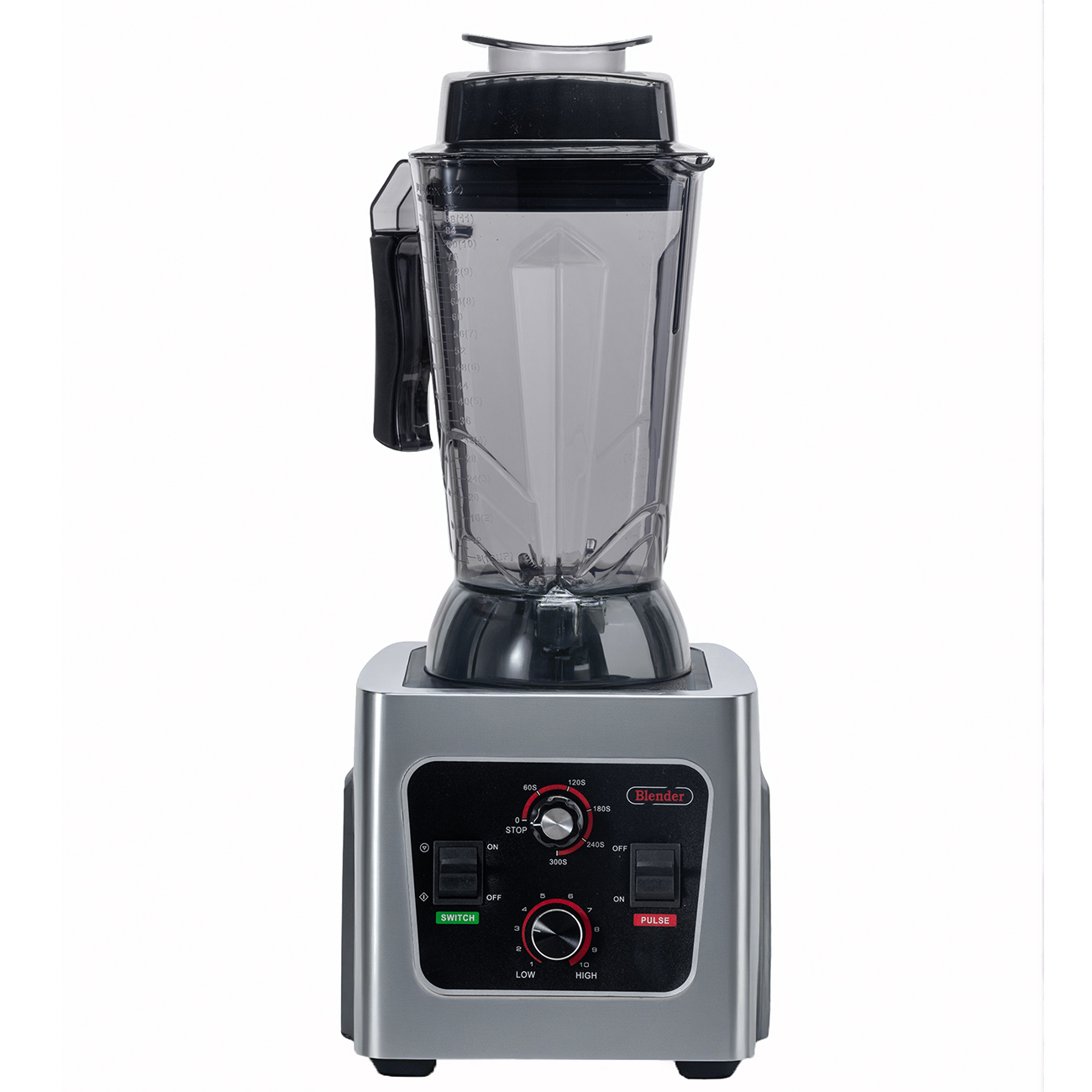
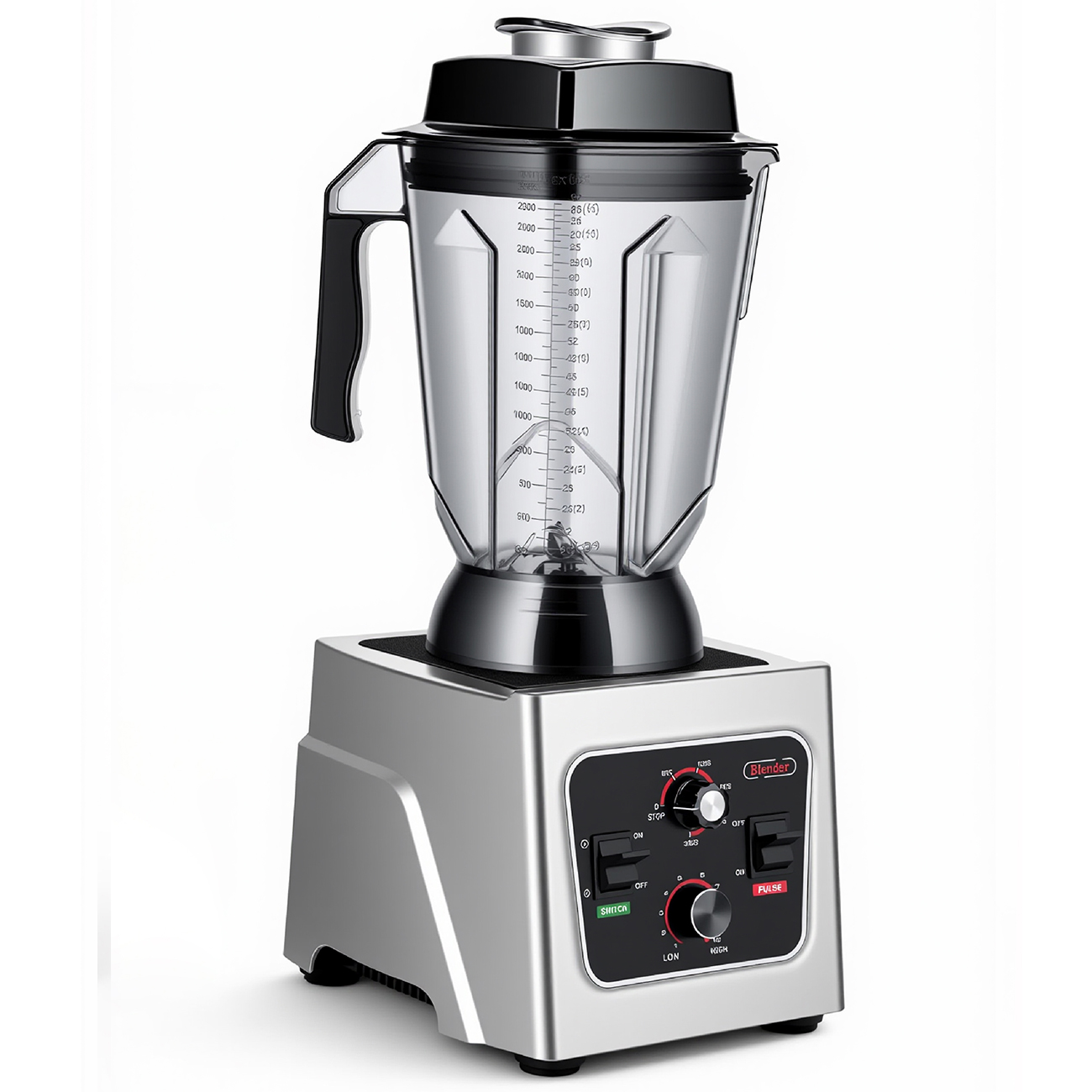
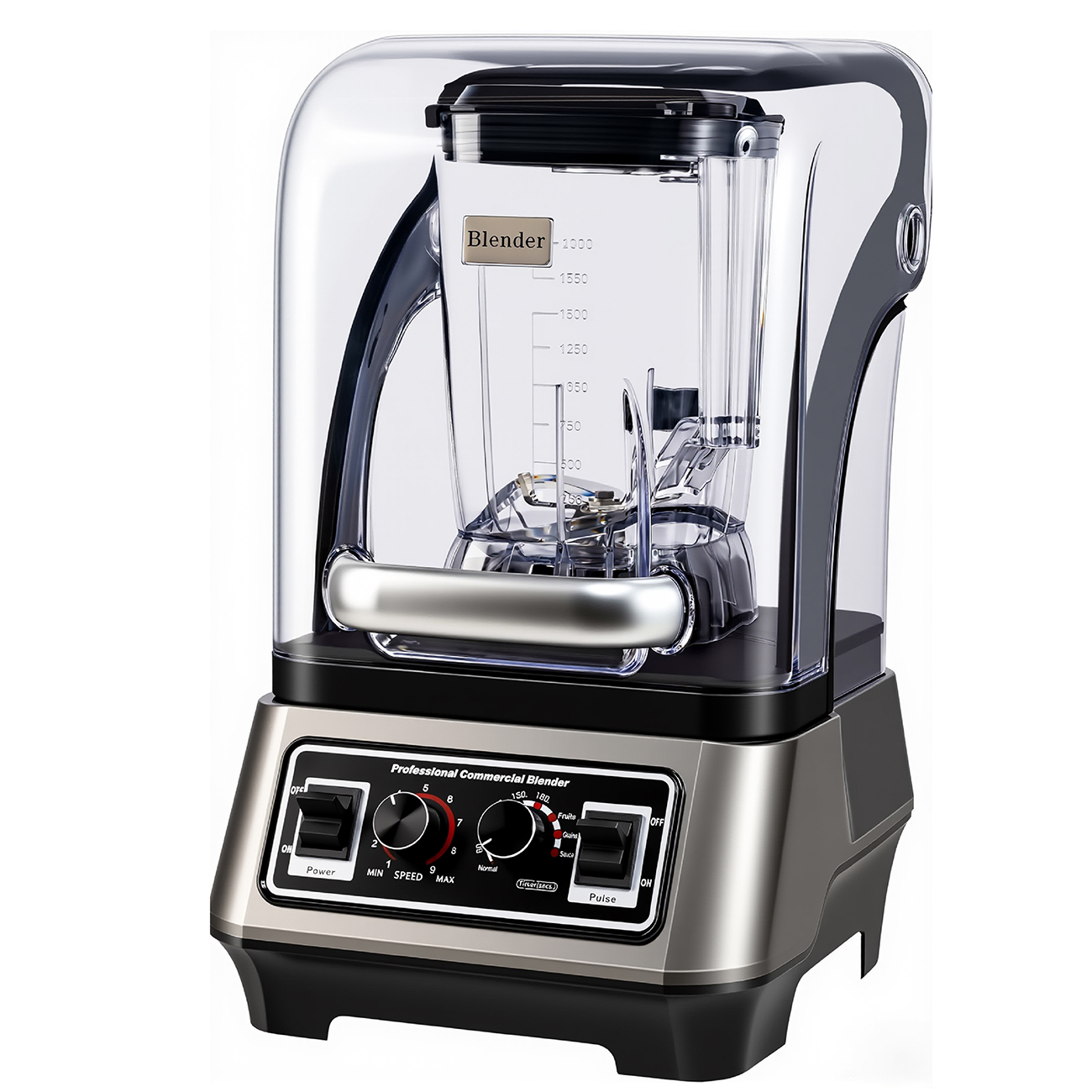
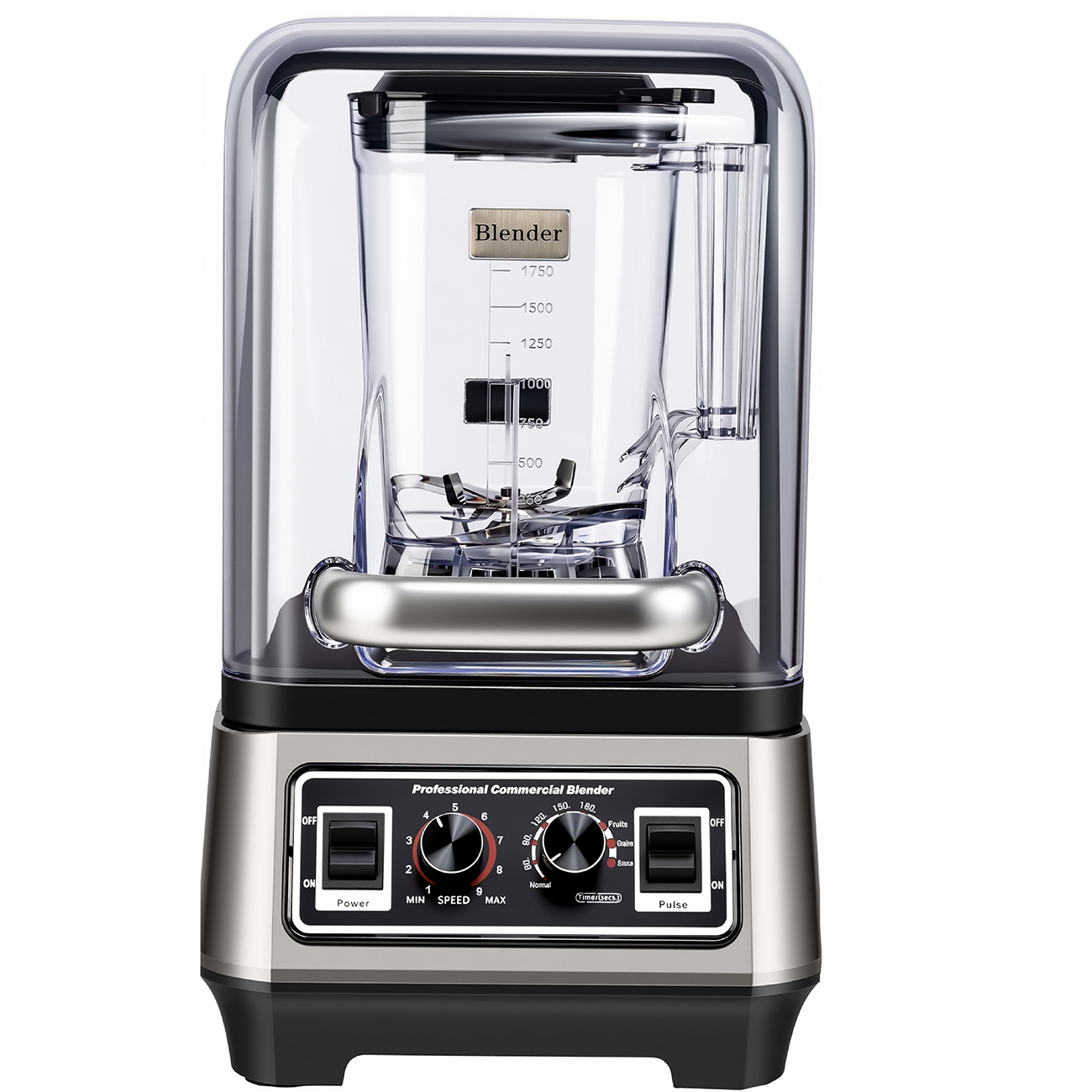
Samples often perform well, yet mass production can reveal inflated power ratings, copper-clad aluminium motors, rapid blade wear, cracking containers or leaking seals. Australian cafés experience high peak demand, so the machine must handle continuous ice crushing and nut processing without slowing down or overheating. Noise levels above 85–90 dB are unacceptable in open-counter environments, making sound enclosures a near necessity.
4. Difficult After-Sales Service and Spare Parts Support
The long distance makes cross-border repairs expensive and slow. Lack of local spare-parts stock, slow response times and unstable supply of blade assemblies or containers are major pain points. We need clear warranty terms (typically 1–3 years on the motor), a spare-parts list, and preferably local Australian agents or warehouse support. Downtime costs real business.
5. Supplier Authenticity and Broken Responsibility Chains
Around 40% of “factories” listed on B2B platforms are actually trading companies. The contract party may differ from the actual manufacturer, making accountability difficult when problems arise. We worry about paying and then being unable to find anyone, or unclear mould ownership locking us in later.
6. Logistics, Duties and Total Cost of Ownership
Freight, 10% GST, potential duties and customs delays can significantly increase the landed cost. Shipping damage risk is high. While the unit price may look attractive, repairs, returns and reputation damage often make overall TCO higher than local brands. We ultimately calculate the three-year cost of ownership, not the price of the first order.
The Real Pain Points Behind These Concerns
Australian buyers are not simply distrustful of Chinese manufacturing. Our caution comes from real operational risk. One certification problem or after-sales vacuum can render the equipment unusable, invalidate insurance or trigger council penalties. Decision-makers are typically café owners or chain procurement managers who prioritise business continuity and compliance. Distance amplifies information asymmetry — we cannot supervise production in real time and must rely on verifiable documentation and third-party inspections. Fear of long-term partnership stems from concerns that suppliers may later raise prices or stop supporting the product.
The Types of Suppliers Australian Buyers Prefer
When selecting suppliers, price usually ranks fourth or fifth. Our priority criteria include:
- Genuine factories that can be verified: Complete business licences matching the quoting entity; willingness to accept third-party or client audits; ability to provide production-line footage and previous export cases to Australia.
- Strong local compliance capability: Ability to provide genuine RCM certification or assist with AS/NZS testing and EESS registration; native 230V/50Hz and Type I plug configuration; food-contact materials meeting FSANZ requirements.
- Robust quality systems: Valid ISO 9001; traceable critical components; acceptance of pre-shipment inspections (SGS etc.); test reports for motor endurance, noise and ice-crushing performance.
- Customisation and engineering strength: Support for sound enclosures, blade optimisation and programmed cycles; clear mould ownership; R&D capability to improve commercial heat dissipation and noise.
- Ready after-sales and spare-parts support: Clear warranty terms; spare-parts inventory commitments; fast response; preferably local Australian support or partner agents.
- Transparent and secure transactions: Standard payment terms (30% deposit + 70% after inspection); acceptance of Trade Assurance; contracts that clearly define quality standards, penalties and arbitration; no pressure for full prepayment.
- Reliable delivery: High on-time rate; complete English documentation; ability to provide Australian customer references.
Practical Advice for Australian Buyers
Before purchasing, always verify the supplier’s identity, require third-party inspections, and write voltage customisation, RCM certification, plug specifications and after-sales clauses into the contract. Calculate the full landed cost (including GST, freight and potential certification fees). Subject samples to intensive testing (continuous ice crushing and noise measurement). Prefer suppliers who are willing to assist with local compliance and provide verifiable documentation.For Chinese exporters: proactively understand RCM and AS/NZS requirements, make 230V/50Hz + Type I plugs standard, supply genuine test reports, and establish clear after-sales processes. This will significantly improve competitiveness. Using third-party inspections and factory audits as trust accelerators will turn “verifiable reliability” into a core advantage.
Conclusion: Making Chinese Commercial Blenders Truly Serve the Australian Market
Sourcing commercial blenders is ultimately a test of equipment stability and supplier accountability. Australian buyers’ concerns are real, yet entirely solvable. When Chinese suppliers deliver native local compliance, consistent quality and practical after-sales support, their cost advantages can convert into long-term partnership advantages.In the future, suppliers that offer native Australian adaptation, genuine RCM support and reliable spare-parts service will hold a stronger position in Australia’s hospitality equipment market. We hope this guide helps more local buyers make informed decisions and enables excellent Chinese factories to receive the opportunities they deserve. Only by managing risks upfront can every commercial blender become a genuine driver of business growth rather than a hidden liability.