
2026 Commercial Blender Buying Guide & Checklist for Restaurants and Distributors
Choosing the right commercial blender in 2026 is more critical than ever for restaurants, smoothie shops, cafes, bars, and foodservice distributors. With rising labor costs, stricter health regulations, and higher customer expectations for speed and consistency, a poorly chosen machine can create bottlenecks, increase downtime, and hurt profitability. This commercial blender buying guide and checklist is designed specifically for restaurant operators and distributors who need reliable, high-volume performance rather than consumer-grade equipment.Whether you run a high-throughput smoothie bar, a full-service restaurant with sauce and puree needs, or distribute equipment to multiple locations, the goal is the same: select a blender that matches your real workload, meets certification requirements, and delivers strong return on investment over years of daily use.
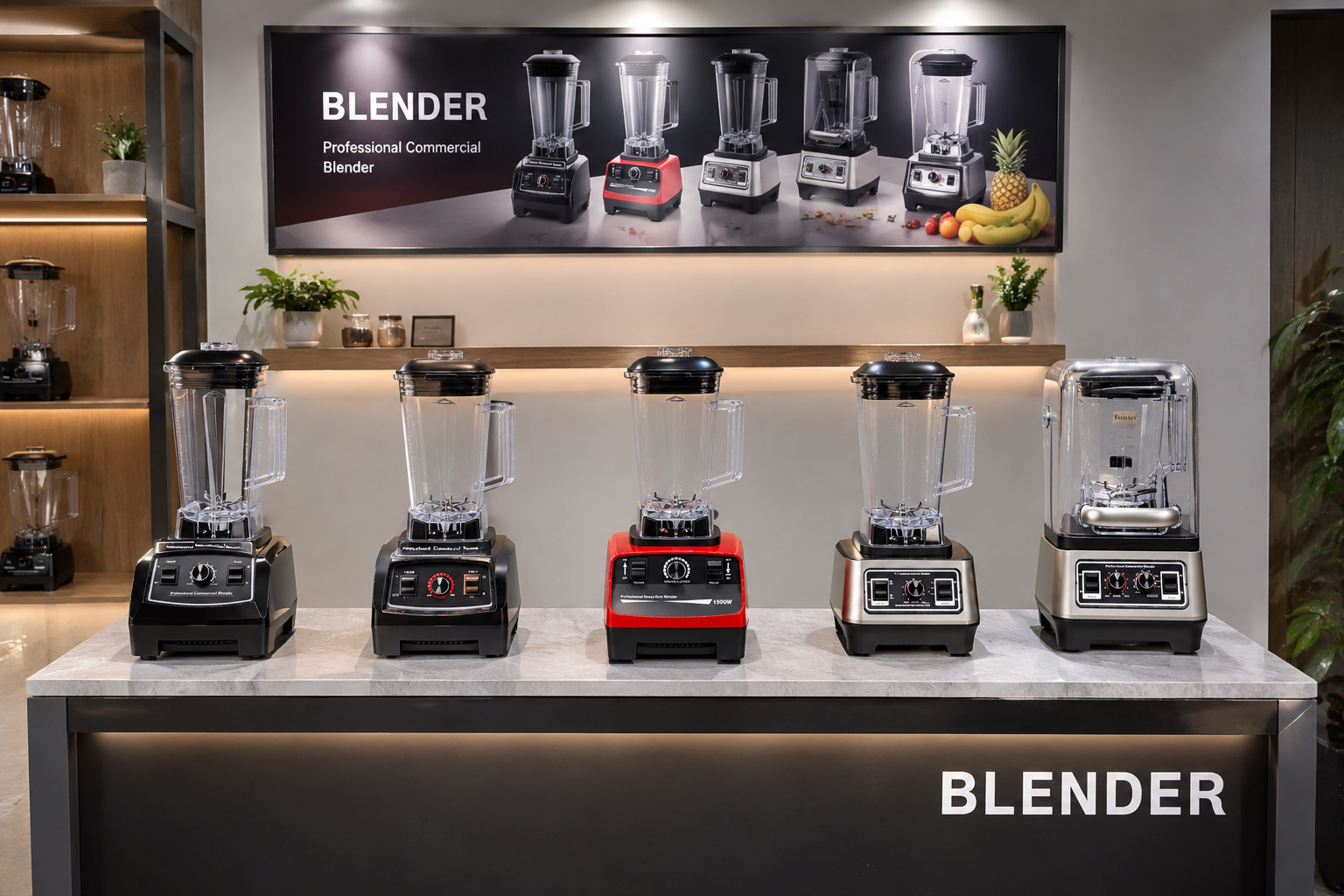
Start With Your Menu and Daily Workload
The most common mistake in commercial blender selection is focusing only on peak horsepower or flashy features. Begin instead with what you actually blend and how often.
- Smoothies and frozen drinks demand high torque under load to crush ice and frozen fruit consistently without overheating.
- Bar cocktails prioritize speed, simple controls, and low noise for front-of-house environments.
- Sauces, purees, and soups require even blending, larger capacity options, and easy cleaning between batches.
- High-volume operations (50–100+ cycles per day) need true continuous-duty motors, not peak-power ratings that fade after a few minutes.
Estimate your peak-hour demand. A machine that works fine for 20 drinks may fail during a lunch rush of 60. Matching the blender to your hardest daily task prevents frustration and premature failure.
Motor Power and Continuous-Duty Performance
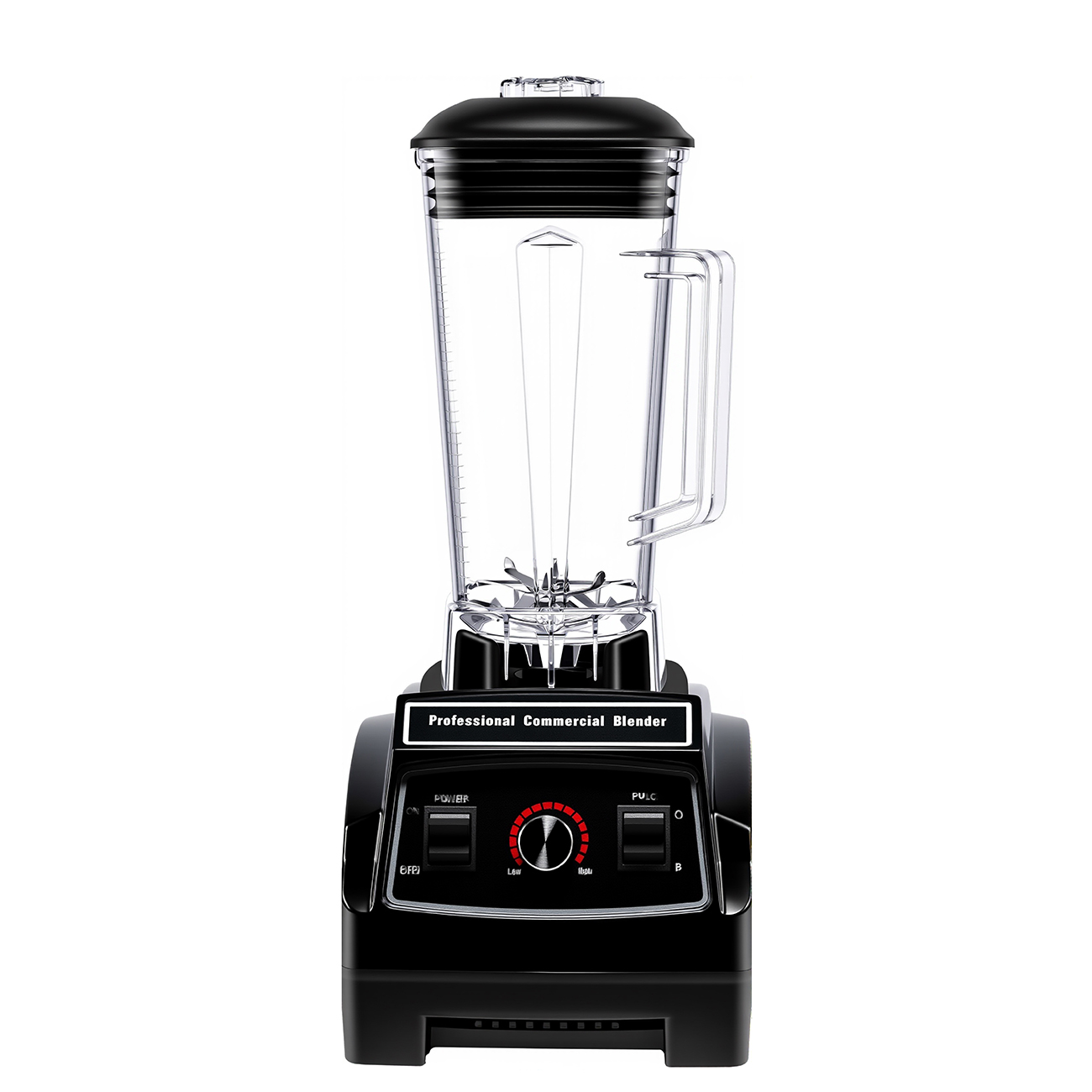
Commercial blenders typically range from 1.5 HP to 3.8 HP or higher. Ignore marketing “peak” numbers. Look for continuous or rated horsepower and amp draw under load. A reliable commercial unit often draws 11–15 amps at 120V and sustains performance through back-to-back cycles.Key indicators of real commercial performance include thermal protection systems that prevent burnout, sealed bearings, and motors designed for 8–12 hours of intermittent use. In 2026, many buyers test or request data on consecutive ice-crushing cycles. Machines that maintain speed and consistency after 50–100 runs without excessive heat are far more valuable than those that look powerful on paper.Higher torque matters more than maximum RPM for thick mixtures. Variable speed controls or programmable presets help maintain consistency across staff members and reduce training time.
Capacity, Jar Design, and Materials
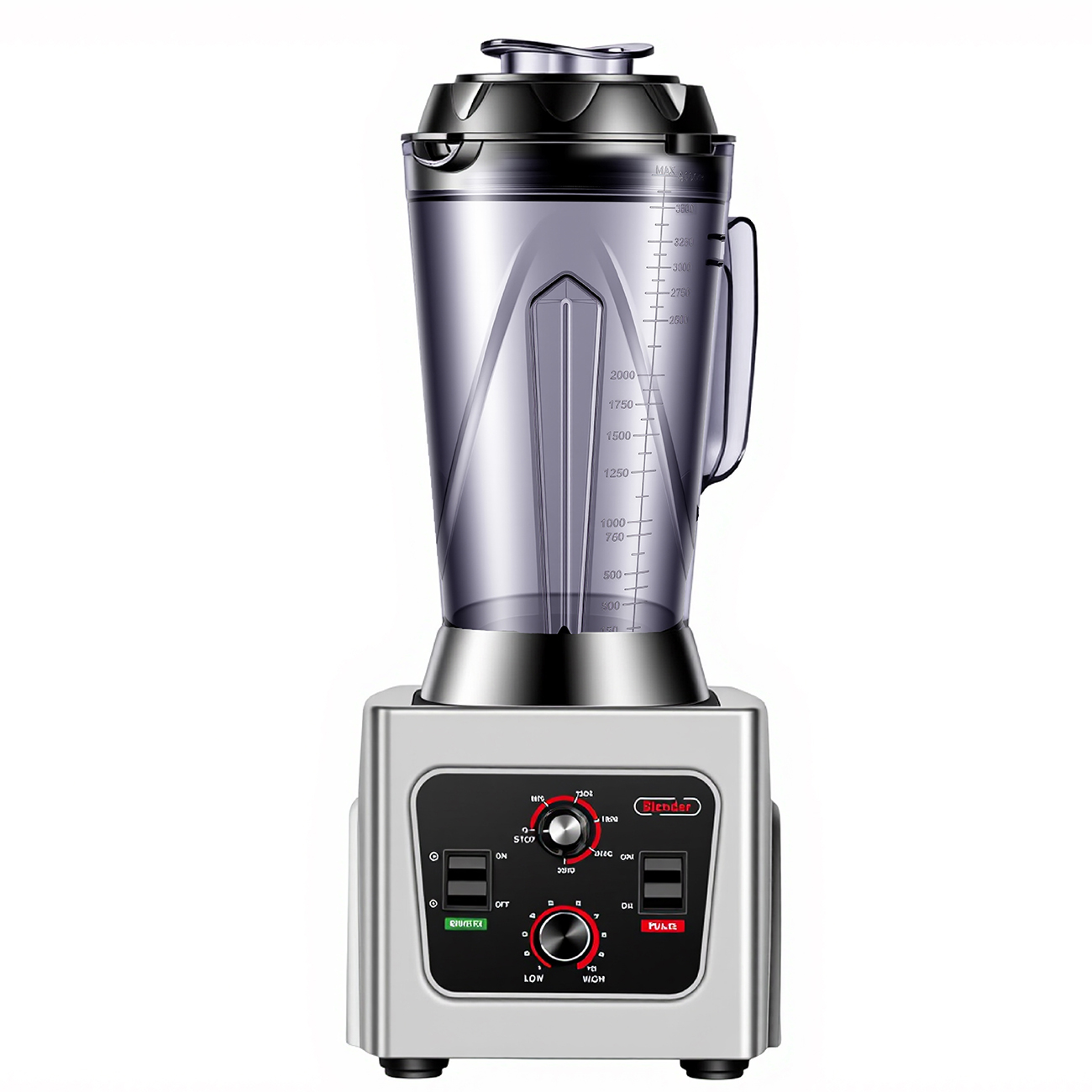
Common jar sizes include 48 oz, 64 oz, and 90+ oz. Smaller jars suit single-serve or low-volume cafes; larger ones improve efficiency in batch prep or high-volume beverage stations. Oversized jars for light use waste counter space and can reduce blending efficiency for small batches.Jar materials affect durability, visibility, and compliance:
- BPA-free Tritan or polycarbonate offers clarity and impact resistance for front-of-house use.
- Stainless steel provides maximum durability and temperature tolerance for back-of-house purees and hot applications.
- Look for seamless designs, tight-fitting lids, and easy blade access to minimize residue and bacterial risk.
Noise Levels Matter More Than You Think
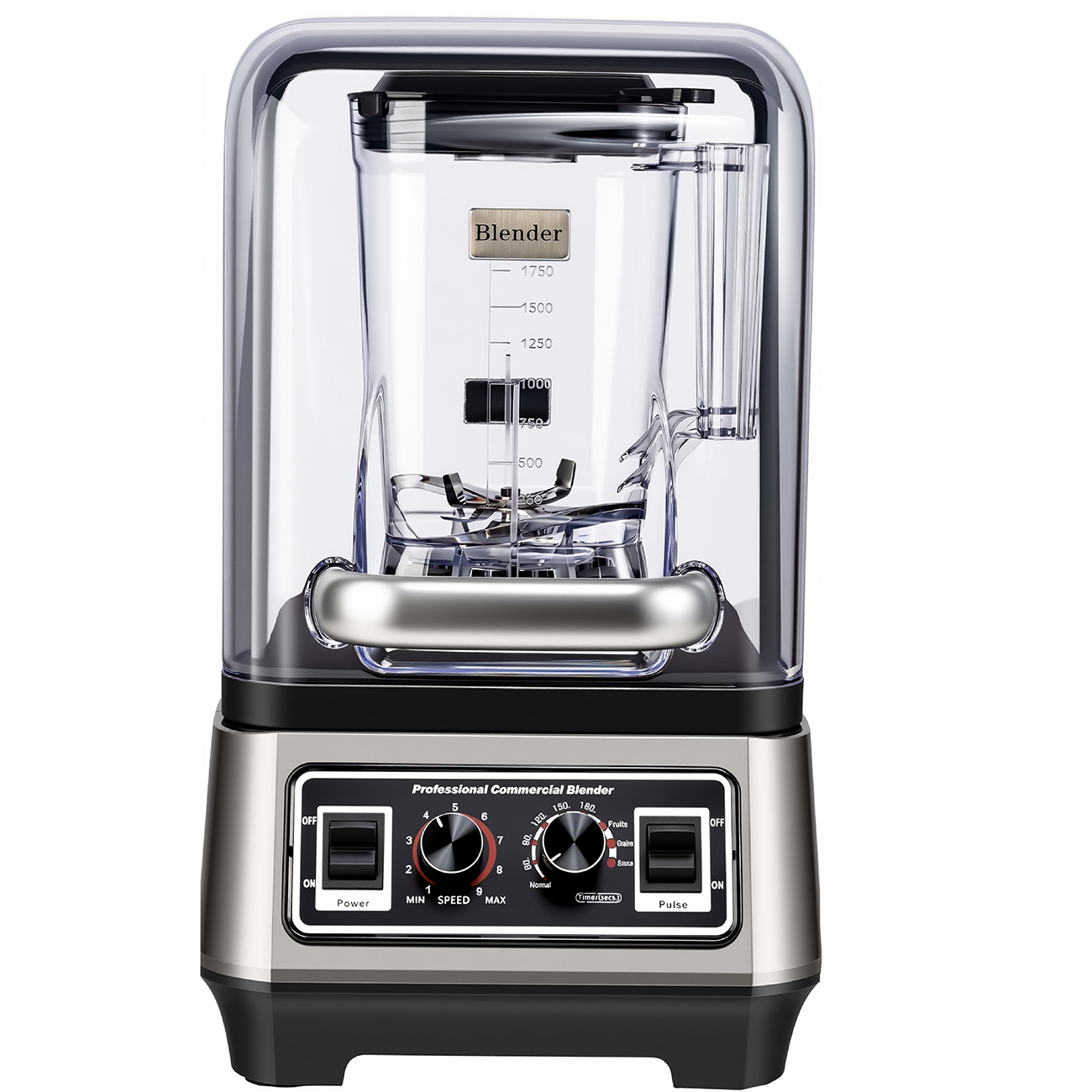
Noise is a frequent complaint in open kitchens, bars, and customer-facing stations. Standard commercial blenders can exceed 80–90 dB. Models with sound enclosures or advanced dampening often operate in the 65–75 dB range, significantly improving guest experience and staff comfort.For distributors supplying multi-unit chains or hospitality venues, quiet performance has become a key differentiator. Request actual decibel ratings measured during ice blending, not idle or water tests.
Certifications and Compliance: Non-Negotiable for 2026
In North America, UL or ETL listing for electrical safety and NSF certification for sanitation and food-contact design are effectively required by most health departments, insurers, and large chains. NSF/ANSI standards address cleanability, material safety, and resistance to bacterial harboring.In Europe and many export markets, CE marking covering low-voltage, EMC, and machinery directives is mandatory, along with food-contact compliance under relevant EU regulations. Distributors and importers should always request full technical documentation and test reports rather than relying on logos alone.Choosing certified equipment reduces inspection risks, insurance issues, and potential liability. In 2026, energy efficiency considerations are also growing in certain regions, particularly California and the EU.
Ease of Cleaning, Maintenance, and Serviceability
Labor is expensive. A blender that takes 10–15 minutes to clean properly after each use quickly becomes a cost center. Prioritize:
- Removable or easily accessible blade assemblies
- Smooth jar interiors without crevices
- Dishwasher-safe components where practical
- Quick-rinse workflows between similar drinks
Total Cost of Ownership and ROI
he cheapest commercial blender is rarely the lowest-cost option over three to five years. Factor in:
- Purchase price
- Energy use
- Cleaning labor time
- Expected lifespan and repair frequency
- Impact on production speed and waste
A higher-quality unit that blends faster, lasts longer, and requires less staff intervention often pays for itself through improved throughput and reduced failures. Distributors should calculate these figures for clients to demonstrate value beyond the sticker price.
Red Flags to Avoid
- Relying solely on peak horsepower claims without continuous-duty data
- Missing or unverifiable certifications
- Difficult-to-clean designs that encourage shortcuts
- Poor parts availability or vague warranty language
- Excessive noise with no mitigation options for customer-facing use
- Jars or blades that show rapid wear in real commercial testing
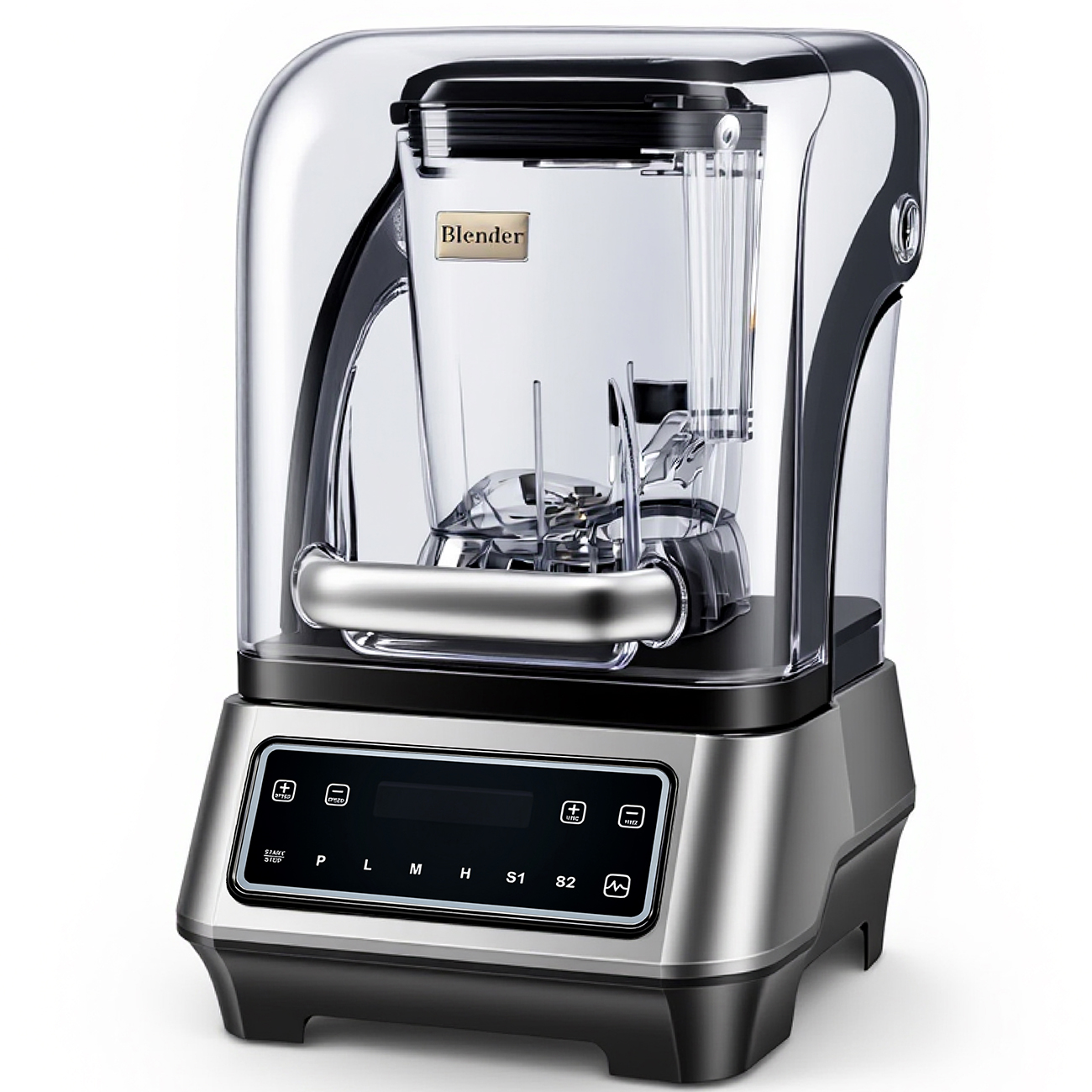
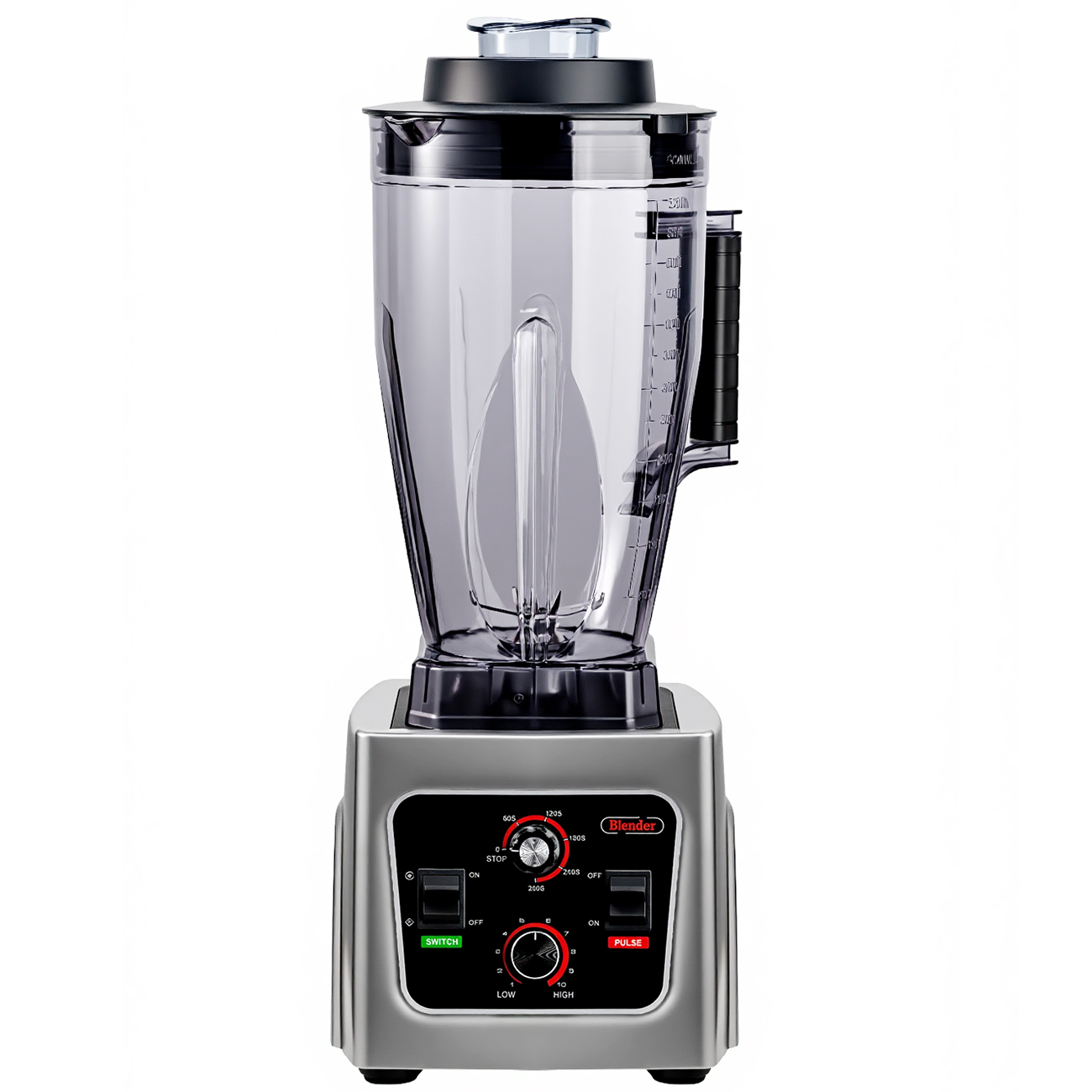
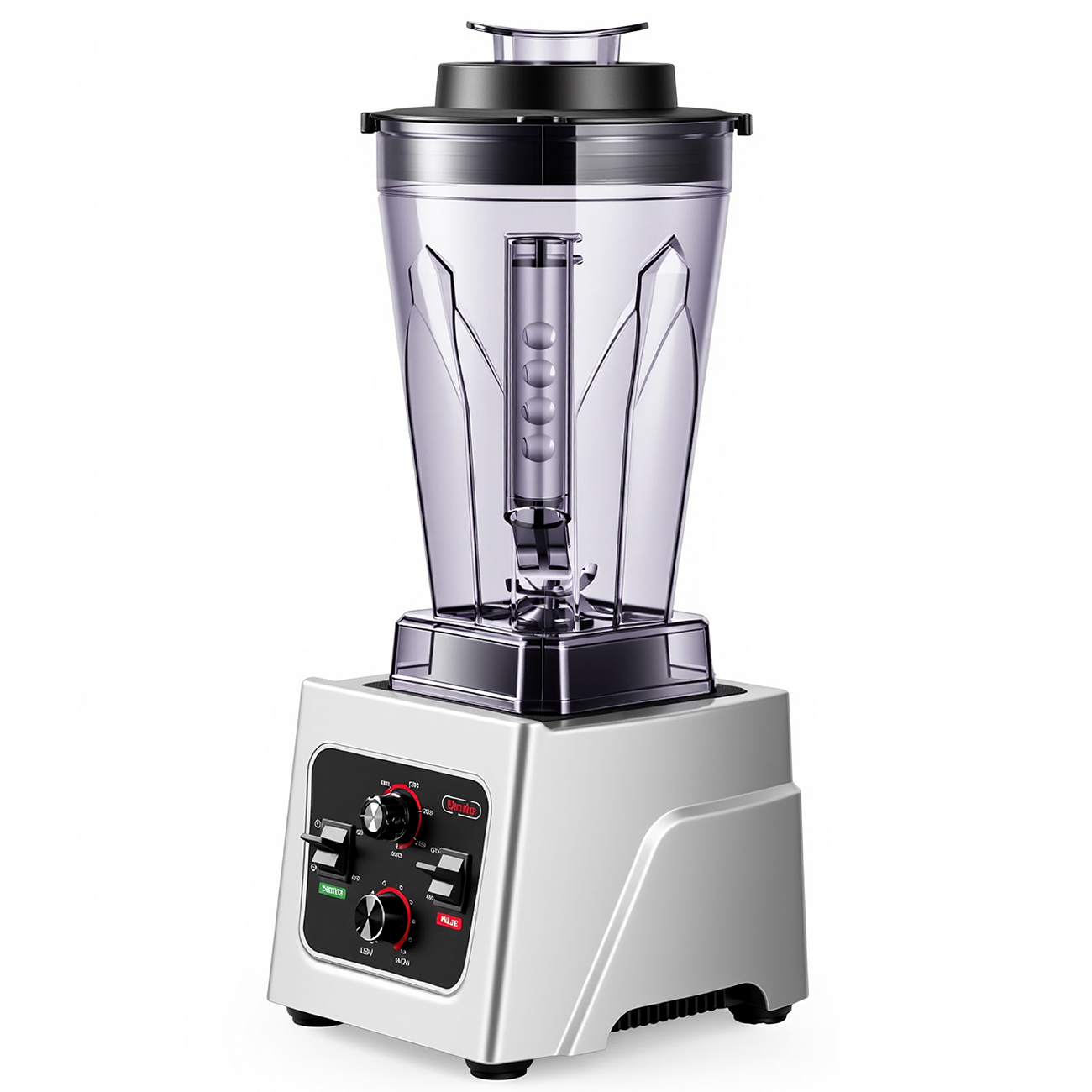
2026 Commercial Blender Buying Checklist
Use this practical checklist when evaluating options:
Workload Match
□ Matches hardest daily blending task (ice, frozen fruit, thick purees)
□ Adequate capacity for peak volume without constant multiple runs
□ Adequate capacity for peak volume without constant multiple runs
Performance
□ Continuous-duty motor rating suitable for expected cycles
□ Thermal protection and consistent performance under load
□ Suitable controls (variable speed, presets, or simple paddle switches)
□ Thermal protection and consistent performance under load
□ Suitable controls (variable speed, presets, or simple paddle switches)
Noise & Placement
□ Acceptable decibel level for intended location
□ Sound enclosure available if needed
□ Sound enclosure available if needed
Certifications
□ UL/ETL (or equivalent) for target market
□ NSF for foodservice sanitation
□ CE and food-contact compliance where required
□ NSF for foodservice sanitation
□ CE and food-contact compliance where required
Design & Hygiene
□ Easy-to-clean jar, blade, and lid design
□ Durable, food-safe materials
□ Stable base and secure jar fit
□ Durable, food-safe materials
□ Stable base and secure jar fit
Support & Ownership
□ Clear warranty terms and local/serviceable support
□ Readily available spare parts
□ Reasonable total cost of ownership projection
□ Readily available spare parts
□ Reasonable total cost of ownership projection
Distributor-Specific
□ Consistent quality and documentation for multiple units
□ Customization or private-label options if needed
□ Reliable lead times and logistics support
□ Customization or private-label options if needed
□ Reliable lead times and logistics support
Final Recommendations for Restaurants and Distributors
In 2026 the best commercial blender is the one that reliably handles your specific menu volume, meets all local compliance requirements, stays quiet enough for the environment, cleans quickly, and holds up under daily commercial abuse. Prioritize proven continuous performance and certifications over marketing claims.Restaurants should test or request data on real-world cycle performance. Distributors benefit from partnering with manufacturers who provide complete documentation, consistent quality control, and strong after-sales support across markets.Use the checklist above during demos, RFQs, and supplier evaluations. A structured approach reduces risk and leads to equipment that supports efficient operations for years.Selecting the right commercial blender is an investment in consistency, speed, and lower long-term costs. Follow this guide, apply the checklist, and you will be far better positioned to choose a machine that delivers real value for restaurants and distribution partners alike.